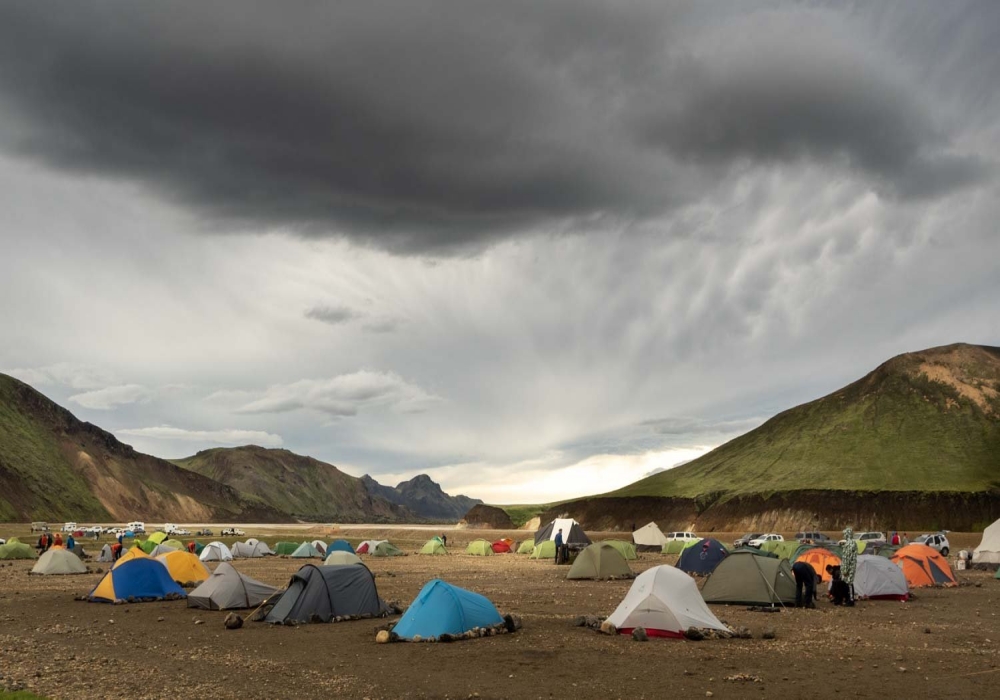
For outdoor enthusiasts, a reliable and sturdy tent is the cornerstone of a successful camping experience. However, it is not uncommon to encounter campers whose tents seem to be more susceptible to breakage and damage. In this article, we will explore the various factors that contribute to tents being easily broken and delve into practical solutions for avoiding such mishaps. By understanding the underlying causes and implementing proactive measures, campers can ensure a more durable and resilient shelter for their outdoor adventures.
Poor Tent Selection:
One of the primary reasons why some people’s tents are prone to breakage is the selection of poor-quality or unsuitable tents. Opting for inexpensive or low-quality tents may seem like a cost-saving measure initially, but such tents often lack the durability and construction necessary to withstand demanding outdoor conditions. It is crucial to invest in a reputable brand and choose a tent that matches the anticipated environment, weather conditions, and camping style.
Inadequate Tent Setup and Maintenance:
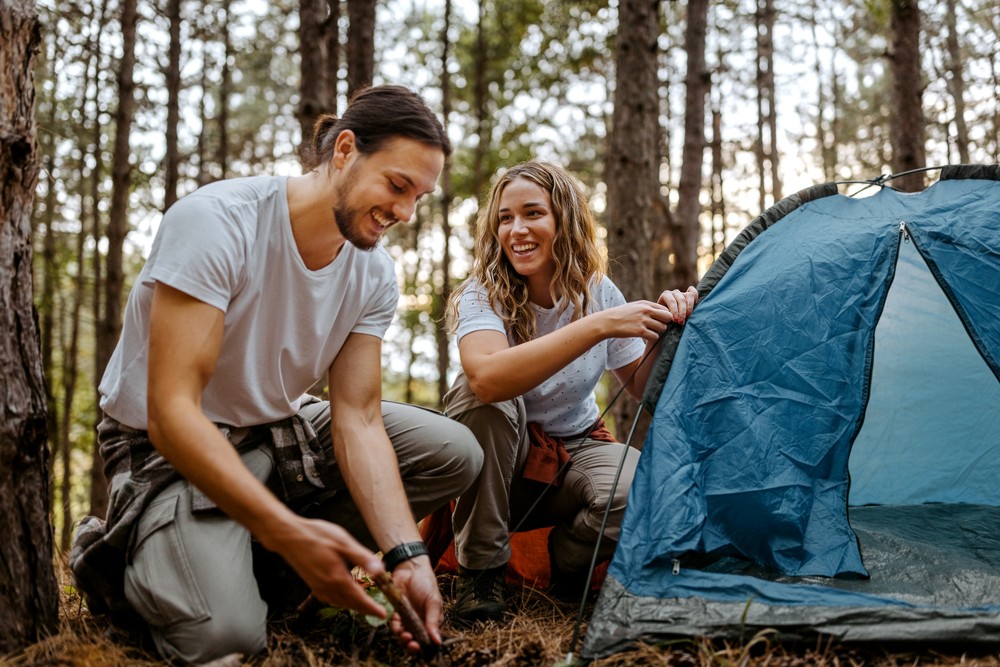
Improper tent setup and inadequate maintenance are common culprits behind tent breakage. Rushing through the setup process or neglecting routine maintenance tasks can put undue stress on the tent’s structural components. Failure to secure stakes, properly tension the guy lines, or maintain the tent’s waterproofing can leave it vulnerable to damage from wind, rain, or even accidental mishaps. Regular inspections and timely repairs are essential to prevent minor issues from escalating into major problems.
Overloading and Improper Use:
Tents have specific weight limits and intended usage guidelines, which should not be overlooked. Overloading the tent with excessive gear, using it as a storage space, or engaging in activities that strain the tent’s structure (such as hanging heavy objects) can weaken its integrity and increase the risk of breakage. It is crucial to follow the manufacturer’s recommendations, practice responsible camping habits, and use the tent for its intended purpose.
Lack of Knowledge and Experience:
Novice campers or those unfamiliar with tent setup and maintenance may inadvertently contribute to tent breakage. Failure to understand the correct pitching techniques, tensioning guidelines, and proper care and storage practices can result in unnecessary stress on the tent’s components. It is essential to educate oneself, seek guidance from experienced campers or resources, and practice setting up and maintaining the tent before embarking on camping trips.
Harsh Weather and Environmental Factors:
Adverse weather conditions, such as high winds, heavy rainfall, or extreme temperatures, pose significant challenges to tent durability. Even well-designed and high-quality tents can be vulnerable under such circumstances. It is crucial to consider the expected weather conditions and choose a tent that offers adequate protection. Additionally, selecting suitable campsite locations, using additional guy lines or stakes for added stability, and reinforcing the tent with additional support can help mitigate the risks associated with harsh weather.
Lack of Proper Storage:
Improper storage practices can contribute to the degradation and breakage of tents, especially during periods of non-use. Storing a tent when it is damp or dirty can lead to the growth of mold, mildew, or fabric deterioration over time. It is vital to thoroughly dry and clean the tent before storing it in a cool, dry place away from direct sunlight. Utilizing a storage bag or container specifically designed for tents can also protect them from dust, pests, and accidental damage.
Conclusion:
Understanding why some people’s tents are more prone to breakage allows us to address the underlying causes and take proactive measures to enhance tent durability. From selecting the right tent for the intended environment to practicing proper setup, maintenance, and storage techniques, campers can significantly reduce the risk of tent breakage. By prioritizing quality, educating oneself, and being mindful of the unique challenges posed by different camping scenarios, campers can enjoy their outdoor adventures with confidence in the reliability and longevity of their tents.