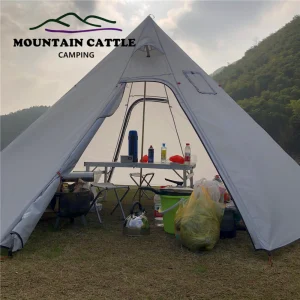
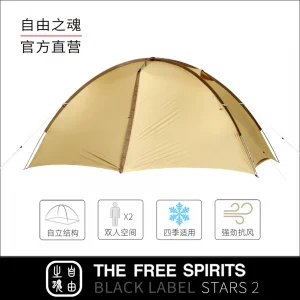
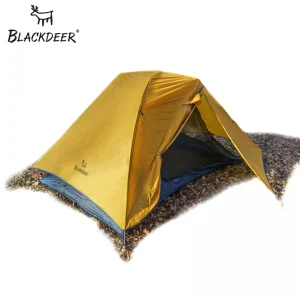
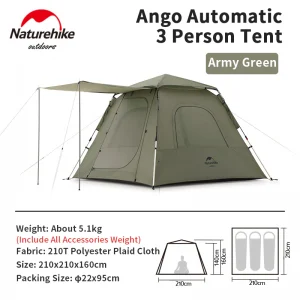
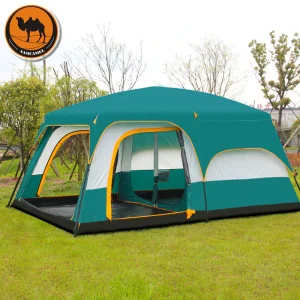
When embarking on outdoor adventures, the choice of camping gear significantly impacts the overall experience. Among the essential factors, ventilation within your camping tent plays a crucial role in ensuring comfort, health, and a pleasant atmosphere during your camping escapades. In this article, we will delve into the significance of proper tent ventilation, the benefits it offers, and practical tips for maximizing airflow and comfort inside your camping tent.
Enhanced Air Quality and Comfort:
Proper ventilation in a camping tent leads to improved air quality by allowing fresh air to circulate while expelling stale and potentially humid air. Adequate airflow prevents the buildup of odors, condensation, and excessive moisture, creating a more comfortable environment for campers. A well-ventilated tent ensures that you wake up feeling refreshed and ready to tackle the day’s adventures.
Minimized Condensation:
One of the challenges in confined spaces like tents is the accumulation of condensation, particularly during cooler nights. Adequate ventilation helps to mitigate condensation by allowing moisture-laden air to escape, reducing the risk of damp sleeping bags and clothing. Ventilation also prevents the growth of mold and mildew, which can be harmful to both your gear and your health.
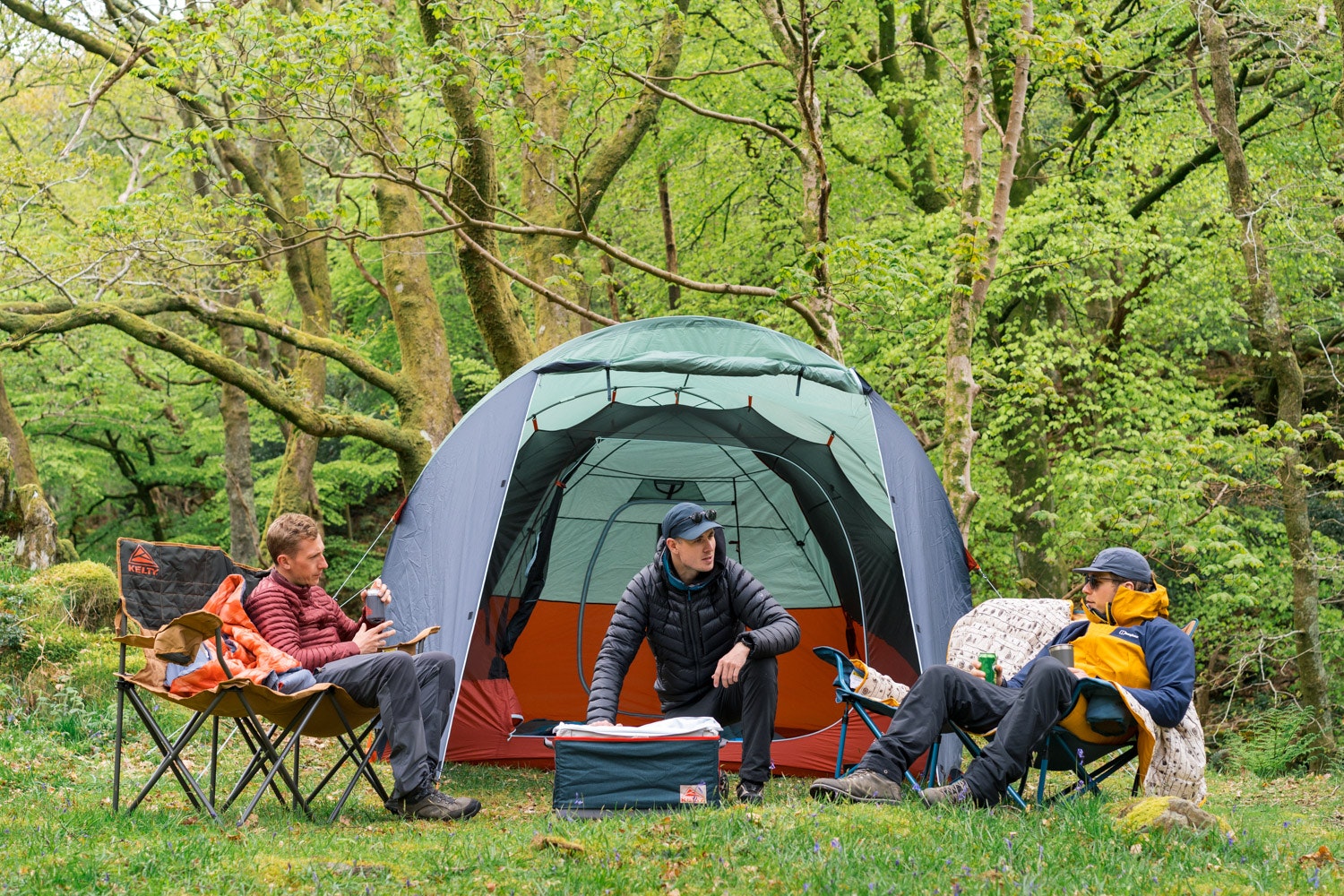
Temperature Regulation:
Ventilation contributes to temperature regulation within the tent. During hot days, airflow helps dissipate excess heat, preventing the tent from becoming uncomfortably warm and stuffy. On the flip side, during colder nights, proper ventilation prevents trapped moisture from freezing on tent surfaces, which can compromise insulation and comfort.
Reduced Odors and Improved Airflow:
Cooking, damp clothes, and outdoor activities can introduce odors into the tent. Proper ventilation helps mitigate these smells by allowing them to dissipate, leading to a more pleasant and enjoyable atmosphere. Additionally, improved airflow reduces the chances of feeling suffocated or claustrophobic inside the tent.
Health Considerations:
Inadequate ventilation can lead to health issues, particularly if moisture and stale air are trapped inside the tent. Breathing in damp air for extended periods can irritate the respiratory system and exacerbate allergies. Proper airflow helps maintain a healthier indoor environment and reduces the risk of such health concerns.
Tips for Maximizing Ventilation:
- Strategic Door and Window Placement: When setting up your tent, consider the direction of prevailing winds. Positioning windows and doors to align with the wind allows for efficient cross-ventilation.
- Utilize Adjustable Vents: Many modern tents come equipped with adjustable vents that allow you to regulate airflow based on weather conditions. Make use of these features to balance ventilation and temperature.
- Elevate the Rainfly: When weather permits, elevate or roll back the rainfly to expose mesh panels and increase ventilation without compromising protection from rain.
- Maintain Proper Guy Line Tension: Properly tensioned guy lines prevent the fabric from sagging and blocking airflow. This is especially important during rain or dewy conditions.
Leave Shoe and Gear Outside: Keeping dirty or damp gear outside the tent reduces the introduction of moisture and odors, contributing to better air quality.
Ventilation is a fundamental aspect of tent design that significantly impacts camping comfort and overall well-being. Proper airflow not only prevents condensation and odor buildup but also regulates temperature and minimizes health risks. By understanding the importance of ventilation and implementing practical tips for maximizing airflow, campers can create a more enjoyable and refreshing environment inside their camping tents, enhancing the overall quality of their outdoor experiences.