When it comes to setting up a tent, one of the most important parts to consider are the tent poles. Tent poles provide structure and support to your shelter and are therefore a crucial element of your camping setup. In this article, we’ll take a look at the different types of tent poles available and help you choose the best ones for your needs.
Aluminum Tent Poles:
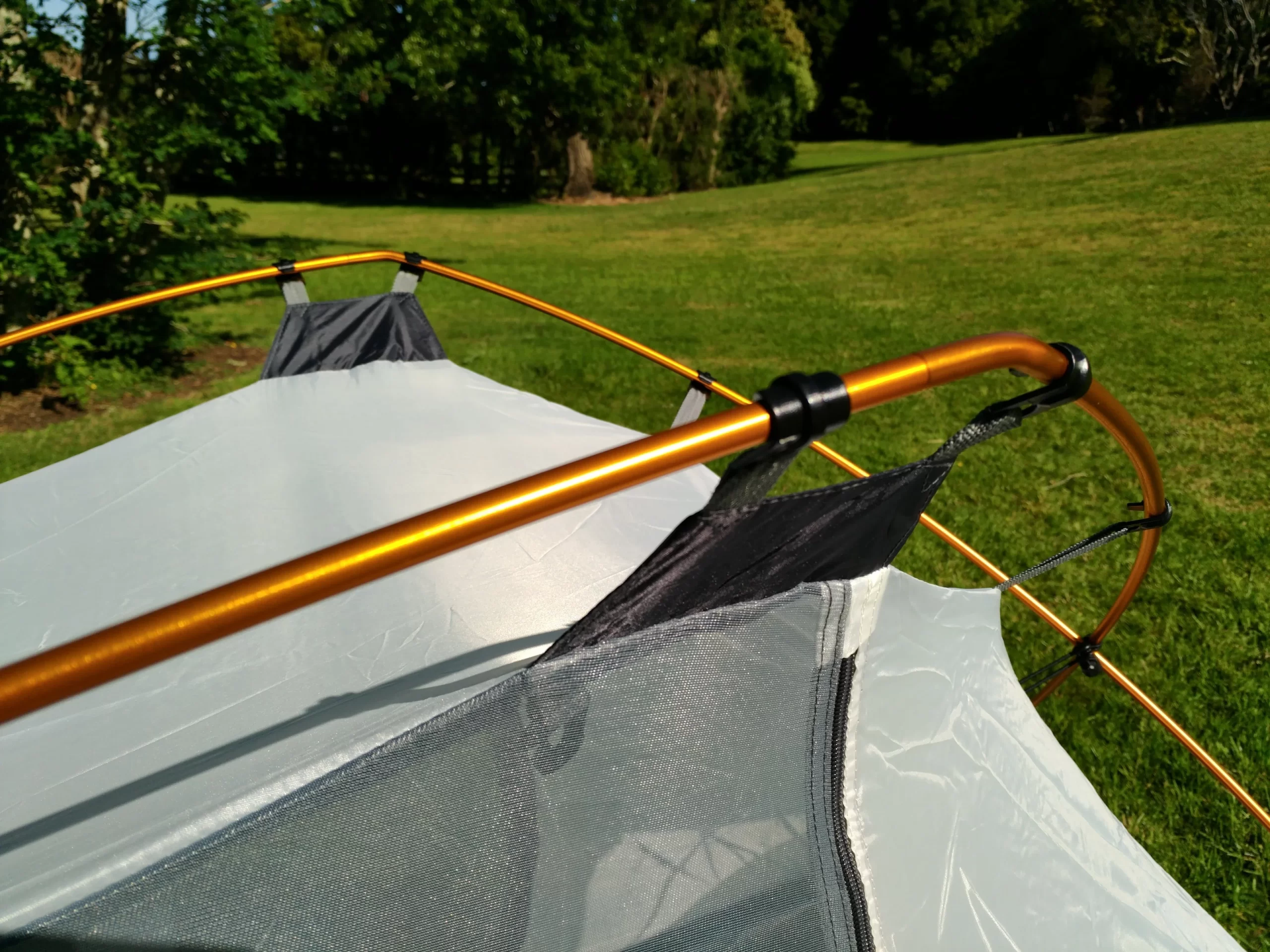
Aluminum is one of the most commonly used materials for tent poles. It’s lightweight, strong, and durable, making it an ideal choice for backpackers and hikers. It’s also resistant to corrosion and rust, which means that your poles will last longer.
Fiberglass Tent Poles:
Fiberglass is another popular choice for tent poles. It’s inexpensive, lightweight, and easy to work with, which makes it a good option for those on a budget. However, fiberglass can be brittle and break more easily than other materials, so it’s important to handle them with care.
Carbon Fiber Tent Poles:
Carbon fiber tent poles are the lightest and strongest of all the materials. They’re extremely durable and resistant to impact and stress, making them a favorite among serious backpackers and mountaineers. However, carbon fiber is also the most expensive option, so it may not be the best choice for those on a tight budget.
Steel Tent Poles:
Steel tent poles are the heaviest and most durable option available. They’re ideal for car camping, where weight isn’t as much of an issue, but strength and stability are a must. Steel is also less likely to bend or warp, making it a good choice for those camping in windy or extreme weather conditions.
When choosing tent poles, it’s important to consider the type of camping you’ll be doing. For backpackers and hikers, lightweight aluminum or carbon fiber poles may be the best choice. If you’re car camping, heavier steel poles may be more appropriate.
It’s also important to consider the length and diameter of the poles. Longer poles are ideal for taller tents, while shorter poles work well for smaller shelters. The diameter of the poles will determine their strength and stability, with thicker poles being stronger than thinner ones.
Finally, it’s important to consider the quality of the poles. Look for poles with sturdy, reliable connectors and a smooth finish that won’t snag or tear your tent fabric. A good set of tent poles should last you for years to come, so it’s worth investing in a high-quality set.
In conclusion, choosing the right tent poles is crucial for a successful camping trip. Consider the type of camping you’ll be doing, the length and diameter of the poles, and the quality of the materials when making your decision. With the right poles in hand, you’ll be able to set up a sturdy and reliable shelter, no matter where your adventures take you.