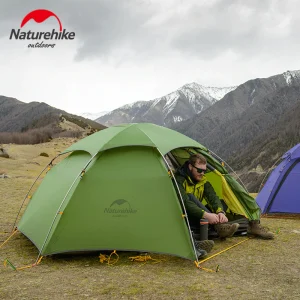
Camping in the great outdoors offers an unparalleled opportunity to immerse ourselves in nature. However, it’s important to remember that we are sharing these natural habitats with a variety of wildlife species. While most interactions with wildlife can be enjoyable and enriching, it is crucial to take precautions to protect ourselves and our camping tents. In this article, we will explore effective strategies and measures to defend your camping tent from wild animals, ensuring your safety and preserving the sanctity of the wilderness.
Choose the Right Campsite:
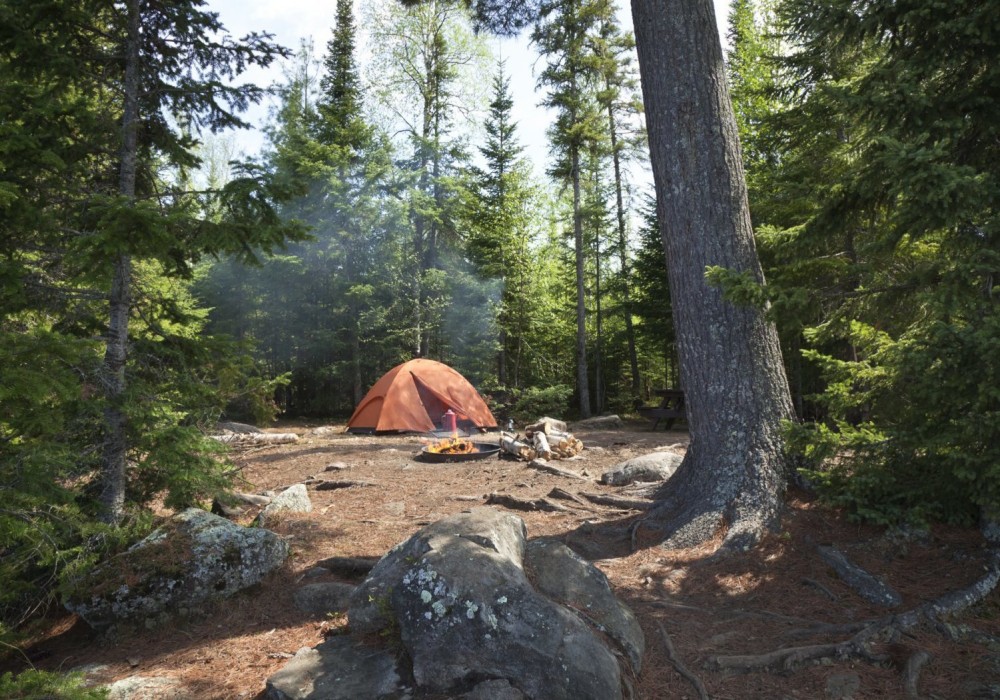
Selecting the right campsite plays a crucial role in minimizing wildlife encounters near your tent. Look for established campsites that are away from known animal pathways or areas frequented by wildlife. Avoid camping near bodies of water that may attract animals, such as rivers or lakes, as they are often wildlife gathering spots.
Practice Responsible Food Storage:
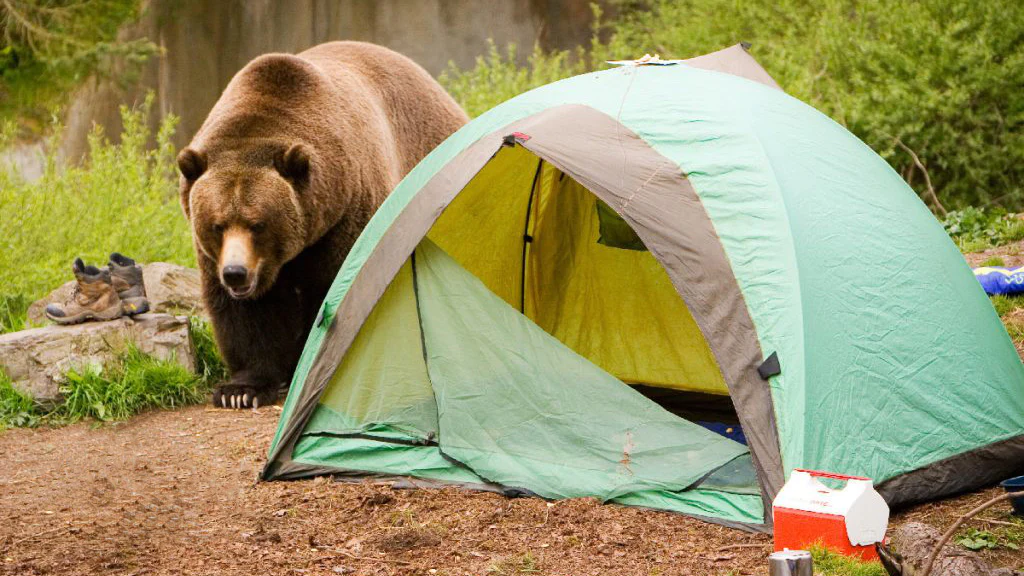
Properly storing food and disposing of waste is vital in preventing unwanted visits from wildlife. Store food securely in airtight containers or bear-resistant canisters, elevated off the ground and away from your tent. Avoid storing food inside your tent or leaving any food scraps or wrappers behind. Dispose of garbage in designated receptacles or pack it out with you to maintain a clean campsite.
Use Wildlife Deterrents:
Several techniques can help deter wildlife from approaching your camping tent. Hang wind chimes or bells around the perimeter of your campsite to create noise that can alert animals to your presence. Additionally, using scent deterrents such as ammonia-soaked rags or commercially available animal repellents can discourage wildlife from getting too close.
Secure Tent Entrance and Windows:
Wild animals are often attracted by the scent of food or the promise of shelter. To prevent animals from entering your tent, ensure all zippers and closures are fully closed and secure. Consider using a double-layered tent with a mesh inner layer to provide an extra barrier against insects and small animals while still allowing ventilation.
Set Up a Perimeter:
Creating a perimeter around your campsite can help deter wildlife from approaching your tent. Use natural barriers like fallen logs or rocks to define the boundaries of your camp and discourage animals from crossing. Be aware of potential animal trails and avoid setting up your camp directly on them.
Use Bear-Resistant Containers:
If you are camping in bear country, it is essential to invest in bear-resistant containers for storing food and scented items. These specially designed containers are built to withstand the strength and persistence of bears, reducing the risk of attracting them to your camping area.
Educate Yourself about Wildlife Behavior:
Understanding the behavior and habits of local wildlife is crucial for your safety. Research the specific wildlife species in the area you plan to camp and learn about their habits, feeding patterns, and preferred habitats. This knowledge will help you anticipate potential encounters and take appropriate precautions.
Make Noise and Be Alert:
When camping in wildlife-rich areas, make noise to alert animals of your presence. This can be as simple as talking, singing, or clapping your hands. Being alert and aware of your surroundings can also help you identify signs of wildlife nearby, allowing you to take necessary precautions.
Conclusion:
While camping in the wilderness can be an exhilarating experience, it’s important to prioritize safety and respect the natural habitats of wild animals. By following these guidelines and taking proactive measures to defend your camping tent from wild animals, you can minimize the risk of wildlife encounters and ensure a secure and enjoyable camping adventure. Remember, our goal is to coexist harmoniously with nature while preserving the pristine beauty of the wilderness for generations to come.