When you’ve happily wrapped up a great outdoor trip, you’re likely to drop all your gear due to fatigue or chores and leave it alone for a long time. But if you take the time to open the gear and store the items properly, it will greatly increase the lifespan of the gear and keep it functional.
This is especially true for tents. Improper storage can cause tents to quickly grow mold and cause material damage. Just follow two key steps when storing your tent to avoid problems:
Make sure the tent is completely dry. Store the tent loosely in a cool, dry place.
Step 1: Dry the tent
Make sure your tent is dry before storing it, damp tents can grow mold and make the tent smell bad. Moisture can also damage polyurethane waterproofing coatings beyond repair. If you’ve ever had a tent become thin, sticky, or smelly, it’s likely because it wasn’t fully dried before you stored it. To prevent this from happening, place the tent indoors or outdoors in a cool place to dry. If you don’t have enough room to spread it, hang it until it dries.
If you come home with a dirty tent after going out, take the time to clean it up, which can extend the life of the tent. Especially if the tent is exposed to sand, dust, bird droppings and plant sap during use. Wash tent fabrics with cold water and mild, non-detergent soap to remove dirt. Let it dry first, then wash gently with mineral oil or another alcohol-based product, such as hand sanitizer or wipes, then be sure to rinse with water. To keep the tent zipper smooth, use an old toothbrush to remove grit from the zipper.
Step 2: Store the tent loosely in a cool, dry place.
Although general tents provide tent storage bags and are very suitable for backpacking when compressed, the storage bags that come with tents are not a good choice for long-term storage of tents. The fabric of the tent needs to relax and breathe to release all kinds of stress, which you can do with just an old pillowcase or a similarly sized mesh bag. Your tent can be neatly folded, put in a bag, or simply tucked in.
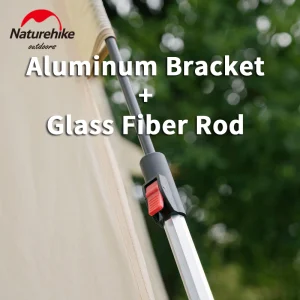
For the poles of the tent, the poles can be partially assembled and stored to release the tension of the internal cables, thereby extending the service life of the poles. But not everyone has enough room to do so. So another option is to fold the struts starting in the middle and going all the way to the shortest, folding the storage struts like this distributes the tension evenly across the rope.
When looking for a place to put your tent, try to find a dry, shady spot in your home rather than a humid or hot spot, such as a basement, attic, or the trunk of your car.Gear cabinets or garages are good options.
According to the above two points, the tent can basically be well rested and stored.