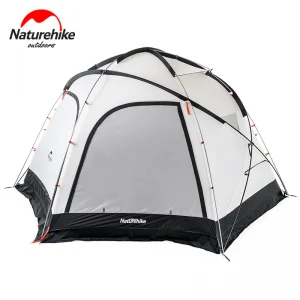
A tent is a portable shelter that consists of several parts working together to provide shelter and protection from the elements. Whether you are a seasoned camper or just starting out, it’s important to understand the different parts of a tent and their functions to make the most of your camping experience.
In this article, we will explore the different parts of a tent and their roles in providing comfort and protection while camping.
Tent Body or Canopy
The tent body or canopy is the main part of the tent that provides shelter and protection from the elements. It is usually made of waterproof or water-resistant material such as nylon or polyester. The size and shape of the tent body can vary depending on the number of people it is designed to accommodate and the type of camping trip you are taking.
Tent Poles
Tent poles are the framework that holds up the tent body or canopy. They come in various materials such as aluminum, fiberglass, and carbon fiber, and they are usually collapsible for easy transportation. Tent poles are inserted into pole sleeves or grommets on the tent body to create the tent’s structure.

Tent Stakes
Tent stakes are essential for securing the tent to the ground. They come in different shapes and sizes, including V-shaped, Y-shaped, and hook-shaped. Tent stakes are usually made of aluminum or steel and are designed to penetrate different types of ground such as hard, rocky, or sandy.
Tent Rainfly
A tent rainfly is an additional waterproof cover that goes over the tent body or canopy to provide extra protection from rain or snow. It usually attaches to the tent poles and is secured to the ground with additional stakes or guylines.
Tent Guyline
Tent guylines are ropes that are attached to the tent body or rainfly and are used to secure the tent to the ground. They are typically made of nylon or polyester and are tied to stakes or other anchor points. Guyline tensioners can be used to adjust the tension and keep the tent taut.
Tent Footprint
A tent footprint is a protective layer that goes underneath the tent to provide an extra layer of protection from the ground. It is usually made of waterproof material such as nylon or polyurethane-coated polyester and is sized to fit the tent’s floor dimensions. A footprint can protect the tent from punctures, abrasions, and moisture.
Tent Doors and Windows
Tent doors and windows provide access and ventilation to the tent. They are usually made of mesh or nylon and can be closed with zippers or ties. Tent windows can be covered with mesh or solid fabric to control the amount of light and privacy.
Tent Ventilation
Tent ventilation is essential to prevent condensation and keep the air inside the tent fresh. Most tents have mesh panels or windows that allow air to circulate and reduce the buildup of moisture. Some tents also have vents in the rainfly that can be opened or closed to control the airflow.
Tent Storage Pockets
Tent storage pockets are small pockets located inside the tent to store personal items such as flashlights, phones, and books. They are usually made of mesh or nylon and can be closed with zippers or Velcro.
Tent Loops and Hooks
Tent loops and hooks are attachment points for accessories such as lights, gear lofts, or clotheslines. They are usually located inside the tent and can be made of nylon or plastic.
In conclusion, a tent is composed of several parts that work together to provide shelter and protection from the elements while camping. Understanding the different parts of a tent and their functions can help you choose the right tent for your needs and make your camping experience more comfortable and enjoyable.