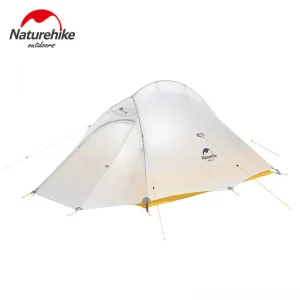
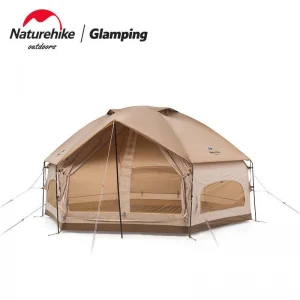
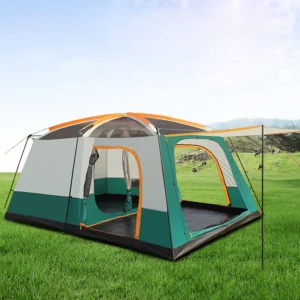
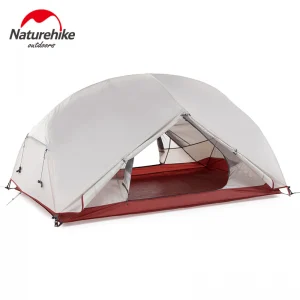
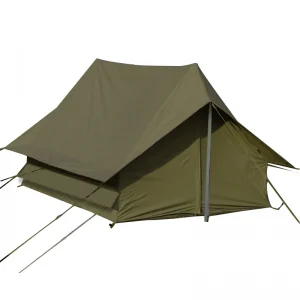
Choosing the right tent is a crucial decision for any camper or backpacker. Among the many factors to consider, one of the most fundamental is whether to opt for a freestanding or non-freestanding tent. Each type has its advantages and drawbacks, and the choice ultimately depends on your specific needs and preferences.
Freestanding Tents:
Pros:
1. Easy Setup: Freestanding tents are known for their simplicity and speed of setup. They typically use a straightforward pole structure and can be pitched almost anywhere, even on hard surfaces like rock or sand.
2. Versatility: Their freestanding design allows you to set them up and move them around until you find the perfect spot. This versatility is especially beneficial when camping in terrain with limited space for staking.
3. Interior Space: Freestanding tents often have near-vertical walls, providing more interior space and headroom. This design is ideal for families and campers who value comfort and space.
4. Modular Rainflies: Many freestanding tents have modular rainflies that allow you to customize your setup. You can choose to use just the inner mesh tent on clear nights or add the rainfly for protection in wet conditions.
5. Wind Resistance: Freestanding tents are generally more stable in windy conditions due to their rigid pole structure. They can withstand gusts without collapsing.
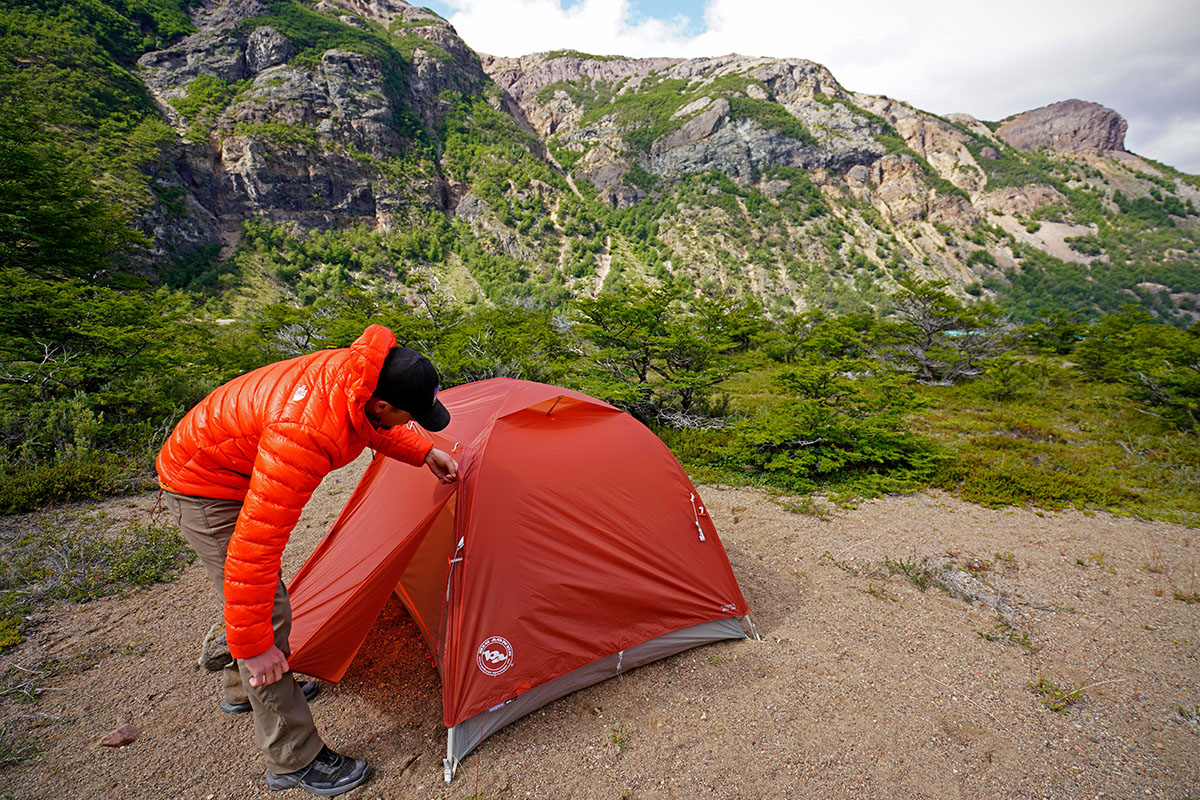
Cons:
1. Weight: Freestanding tents tend to be heavier than non-freestanding ones. This additional weight can be a drawback for backpackers looking to minimize their load.
2. Bulkiness: The rigid poles and freestanding structure can make these tents bulkier when packed. They may take up more space in your backpack or storage.
Non-Freestanding Tents:
Pros:
1. Lightweight: Non-freestanding tents are typically lighter than their freestanding counterparts. This weight advantage is especially valuable for backpackers and ultralight enthusiasts.
2. Compactness: These tents often pack down smaller and can be more easily transported in a backpack. Their compact size is an advantage when space is limited.
3. Minimalist Design: Non-freestanding tents embrace a minimalist design philosophy. They focus on essentials, making them a favorite among thru-hikers and minimalist campers.
4. Wind Efficiency: Non-freestanding tents can be more aerodynamic and perform well in windy conditions when properly guyed out and staked down.
Cons:
1. Setup Complexity: Pitching a non-freestanding tent can be more complex and time-consuming, especially in adverse weather conditions. They often require careful staking and tensioning to function correctly.
2. Site Dependency: Non-freestanding tents rely heavily on suitable ground conditions for staking. They may not be suitable for rocky or hard surfaces where stakes cannot be driven.
3. Limited Interior Space: The sloping walls of non-freestanding tents may limit interior space and headroom, making them less comfortable for extended periods or larger groups.
The choice between freestanding and non-freestanding tents comes down to your camping style, preferences, and the specific demands of your trip. Freestanding tents offer convenience, space, and stability but come with added weight. Non-freestanding tents prioritize weight savings and compactness but may require more effort to set up. Understanding the pros and cons of each type will help you select the tent that best suits your outdoor adventures, ensuring a comfortable and enjoyable camping experience.