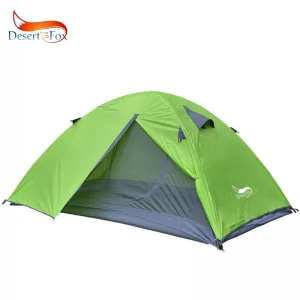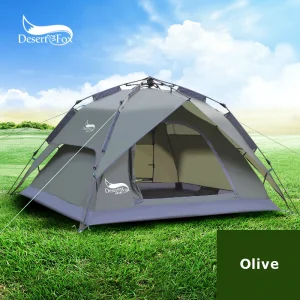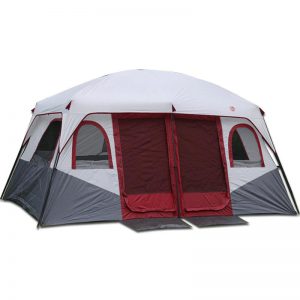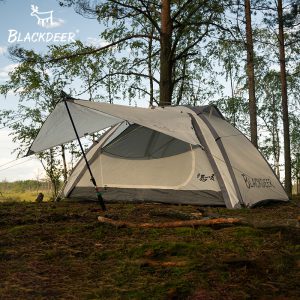
When camping in the great outdoors, a good quality tent is essential for a comfortable and safe camping experience. But, do you know the different parts of a tent and their functions? In this article, we’ll discuss the various parts of a tent for field camping.
Tent Body
The tent body is the main part of the tent that provides shelter and protection from the elements. It’s typically made of durable, waterproof materials, such as nylon or polyester, and is designed to keep the interior of the tent dry.
The tent body usually consists of two layers: an inner layer made of breathable fabric that allows for proper ventilation and an outer layer, also known as a rainfly, that is waterproof to keep the tent dry during rainstorms.
Tent Poles
Tent poles are an essential part of a tent and provide the structure and support for the tent body. They come in different materials such as fiberglass, aluminum, and carbon fiber. Fiberglass poles are typically less expensive but less durable, while aluminum and carbon fiber poles are more expensive but more durable.

The number of tent poles can vary depending on the size and shape of the tent. Some tents have a single pole that runs down the middle of the tent, while others have multiple poles that create a more complex structure.
Tent Stakes
Tent stakes are used to secure the tent to the ground and prevent it from blowing away in strong winds. They’re typically made of lightweight materials, such as aluminum or plastic, and come in different shapes and sizes.
Most tents require several stakes to secure the tent body and rainfly to the ground. Some stakes come with a hook or loop at the top to attach the tent to the stake, while others require the tent to be tied to the stake.
Guy Lines
Guy lines are ropes that are attached to the tent and anchored to the ground with stakes. They provide additional support to the tent and help to prevent it from swaying in the wind.
Most tents have several guy lines that are attached to the tent body and extend out at an angle to the ground. They’re typically made of lightweight, high-strength cordage and are often reflective to make them more visible at night.
Tent Doors
Tent doors provide access to the interior of the tent and can vary in size and shape depending on the design of the tent. Some tents have a single door, while others have multiple doors for added convenience.
Most tent doors have a zippered closure to keep insects and other unwanted guests out. Some tents also have a mesh screen on the door to allow for ventilation while keeping bugs out.
Tent Windows
Tent windows are usually made of mesh and provide additional ventilation to the interior of the tent. They can be closed with a flap or left open for added airflow.
Some tents have multiple windows, while others have a single large window that provides a panoramic view of the surroundings.
Tent Floor
The tent floor is the bottom of the tent and provides a barrier between the interior of the tent and the ground. It’s typically made of durable, waterproof materials, such as nylon or polyester, and is designed to keep the interior of the tent dry.
The tent floor usually extends up the sides of the tent to prevent water from seeping in during heavy rainstorms. Some tents also have a bathtub-style floor, which provides even more protection from water intrusion.
In conclusion, a tent for field camping consists of several different parts, each with its own function. The tent body provides shelter and protection from the elements, while tent poles and stakes provide support and stability. Guy lines provide additional support, while tent doors and windows allow for access and ventilation. The tent