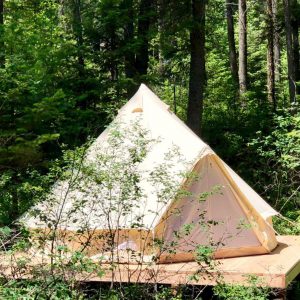
Embarking on a solo adventure in the great outdoors can be an exhilarating and liberating experience. As a solo backpacker, having the right gear is crucial, and one of the most important considerations is your shelter. A solo backpacking tent becomes your home away from home, providing protection, comfort, and a retreat after a day of exploration. In this article, we will demystify the world of solo backpacking tents and guide you through the process of choosing the ideal tent for your solo adventures.
Understanding Solo Backpacking Tents:
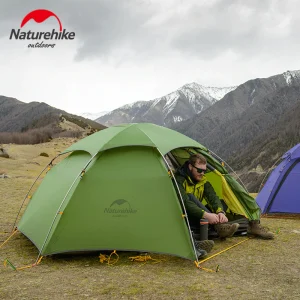
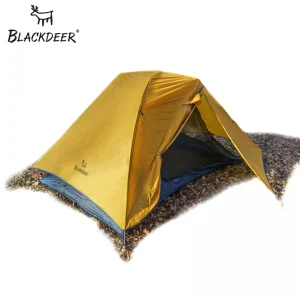
Solo backpacking tents are specifically designed to cater to the needs of solo travelers. They are lightweight, compact, and easy to set up, making them ideal for backpackers who value mobility and efficiency. These tents are typically designed for one person, providing the perfect balance between comfort and portability.
Weight and Packability:
When venturing into the wilderness alone, minimizing the weight of your gear is essential. Solo backpacking tents are crafted with lightweight materials such as ultralight nylon or silnylon, enabling you to carry them easily during long hikes. Additionally, they are designed to pack down into a compact size, fitting snugly into your backpack without taking up too much space.
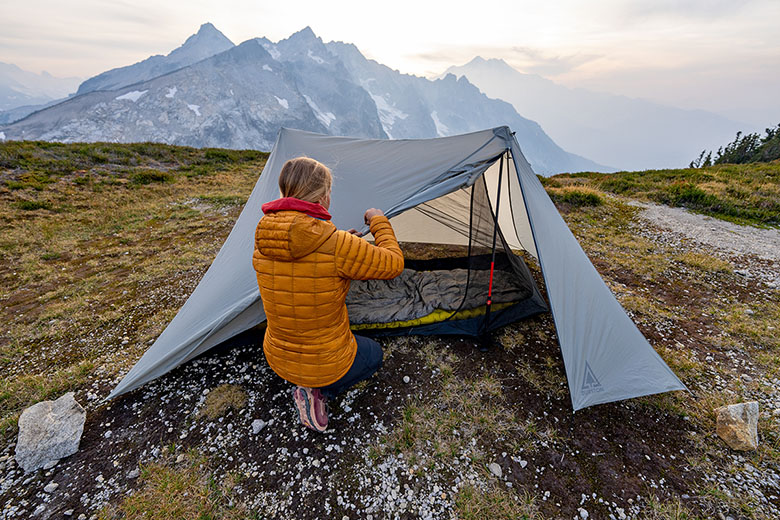
Tent Capacity and Livability:
While solo backpacking tents are designed for one person, it’s essential to consider the tent’s livability. Look for tents that offer ample interior space, allowing you to sit up, move around comfortably, and store your gear. Some solo tents even feature vestibules for additional storage space for your backpack and boots. Prioritize tents that strike a balance between weight and livability to ensure a comfortable and enjoyable experience.
Durability and Weather Resistance:
As a solo backpacker, you need a tent that can withstand various weather conditions. Look for tents with sturdy construction, reinforced seams, and durable materials that can withstand wind, rain, and even snow. Additionally, check for features like waterproof coatings and a high waterproof rating to ensure a dry and cozy shelter during inclement weather.
Ease of Setup:
Solo backpacking often means setting up camp alone, so choosing a tent with a straightforward and efficient setup is crucial. Look for tents with simple pole configurations, color-coded attachments, and intuitive designs that make pitching your tent a breeze. The last thing you want is to struggle with a complicated setup after a long day of hiking.
Ventilation and Condensation Management:
Proper ventilation is essential to prevent condensation buildup inside the tent. Look for tents with mesh panels and vents that promote airflow while keeping bugs at bay. Adequate ventilation not only reduces condensation but also helps regulate temperature, ensuring a comfortable sleep environment.
Budget Considerations:
As with any gear purchase, it’s important to consider your budget when selecting a solo backpacking tent. While high-end models may offer advanced features, there are also budget-friendly options that provide reliable performance. Assess your needs and prioritize the features that are most important to you to find the right balance between quality and affordability.
User Reviews and Recommendations:
Before making a final decision, it’s wise to research user reviews and seek recommendations from experienced solo backpackers. Hearing firsthand experiences from fellow adventurers can provide valuable insights into the performance, durability, and overall satisfaction of different tent models. Online forums, backpacking communities, and gear review websites are great resources to tap into for valuable information.
Conclusion:
Choosing the ideal tent for solo adventures is a crucial decision that can greatly impact your overall experience in the wilderness. Consider factors such as weight, packability, livability, durability, setup ease, ventilation, and your budget. By finding the perfect balance between these elements, you can ensure a comfortable, safe, and enjoyable solo backpacking journey. Remember, your tent is not just a shelter—it’s your home in the outdoors, offering solace, protection, and a place to rest and recharge amidst the beauty of nature.