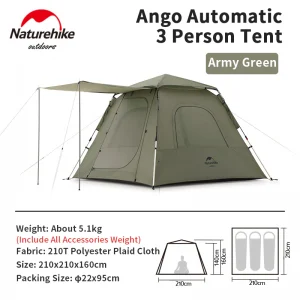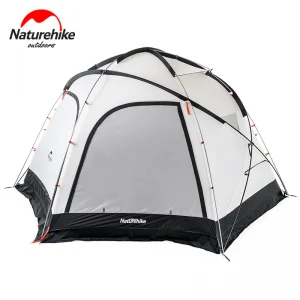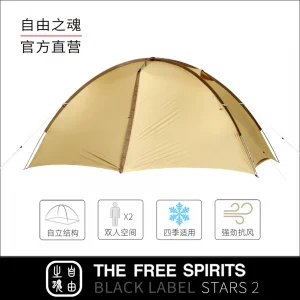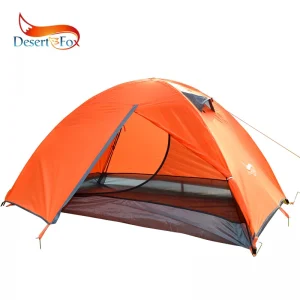
With the increasing number of camping enthusiasts, camping tents and rooftop tents have become indispensable equipment for people to go camping. There are significant differences in design and use between the two. This article will compare and analyze these two types of tents from multiple perspectives, so that readers can choose suitable tents based on their own needs.
1、 Advantages and disadvantages of camping tents
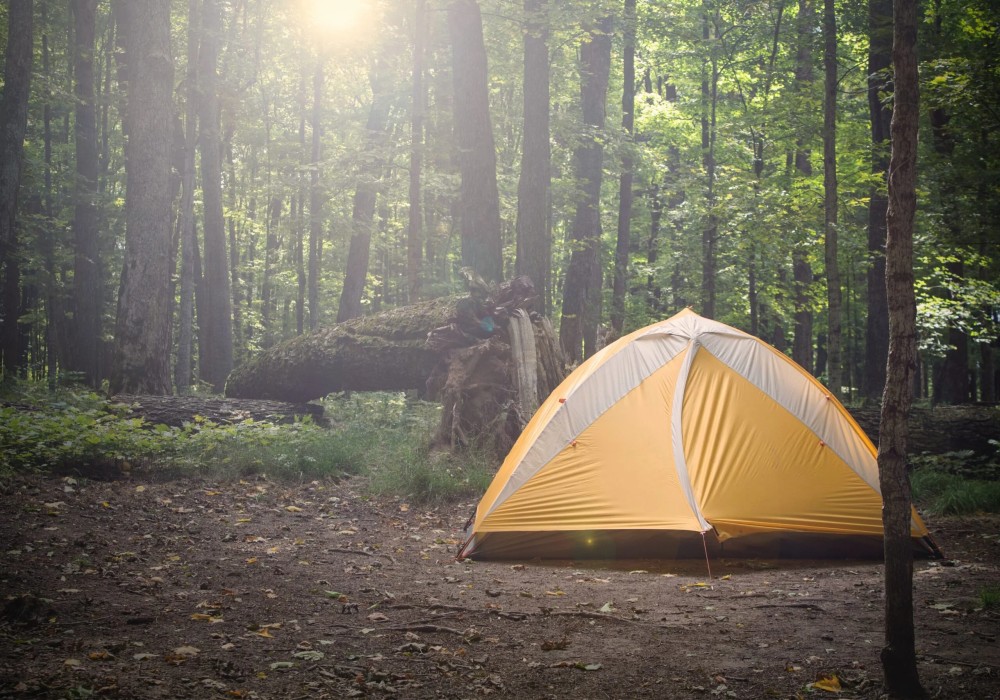
Camping tents, as one of the main equipment for camping, have the following advantages
- Convenience: Camping tents can be quickly built without any support, making them very suitable for outdoor camping. Meanwhile, due to its small size and light weight, it is easy to carry and transport.
- Flexibility: Camping tents can adapt to various terrains and environments, and can be easily built in mountainous areas, grasslands, or beaches. In addition, they can also be flexibly combined, suitable for group camping with different numbers of people.
- Energy conservation and environmental protection: Camping tents are usually made of environmentally friendly materials, which can reduce the negative impact on the environment to a certain extent. In addition, they do not require the use of energy sources such as gas and electricity, resulting in significant energy-saving effects.
However, camping tents also have the following drawbacks:
- Low space utilization: Compared to other types of tents, camping tents have relatively small space, especially limited height. Therefore, in hot summer weather, one may feel stuffy and crowded.
- Limited waterproof performance: Due to the lightweight design of camping tents, their waterproof performance is relatively poor. Leakage may occur during rainy seasons or when encountering heavy rain.
- Slightly low safety: Due to the fact that camping tents are generally made of materials such as nylon or polyester, they are easily punctured by sharp objects. Therefore, special attention should be paid to safety issues during camping.
2、 Advantages and disadvantages of roof tents
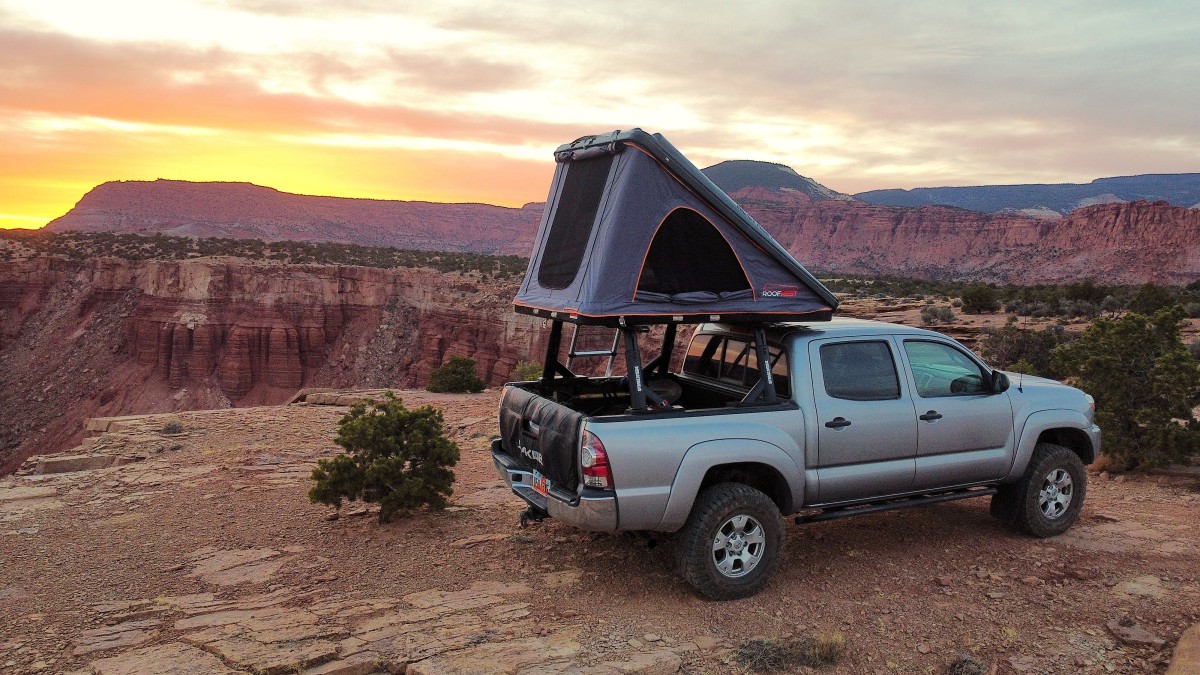
As a new type of camping equipment, roof tents have the following advantages:
- High comfort: Roof tents are usually larger and more spacious than camping tents, with a moderate internal height that does not feel oppressive. At the same time, the internal facilities are complete and can meet basic living needs.
- Strong waterproof performance: The roof canopy is made of thicker and heavier materials, which has good waterproof performance. Be able to maintain internal dryness in rainy or humid environments.
- High safety: The roof canopy is made of high-quality materials, with strong wear resistance and wind resistance. In addition, some models are also equipped with safety belts and buckles, further improving safety.
However, the roof canopy also has the following drawbacks:
- Installation difficulty is relatively high: compared to camping tents, the installation of roof tents requires more brackets and ropes. The entire process is quite tedious and requires some skill and patience.
- Vehicle restrictions are significant: Roof tents are mainly suitable for off-road vehicles. For regular sedans or city SUVs, installation conditions may not be met.
- High cost: Compared to camping tents, rooftop tents are relatively expensive and may not be very friendly for camping enthusiasts with limited budgets.
3、 Comparison of two types of tents
From the above analysis, it can be seen that camping tents and rooftop tents have their own advantages and disadvantages. There are significant differences in space utilization, waterproofing performance, comfort, and safety (see table below). When choosing, it is necessary to weigh individual needs and preferences.
For camping enthusiasts who pursue flexibility and convenience, camping tents are undoubtedly the ideal choice. They can set up tents in different locations and environments, enjoying a free camping life.
For camping enthusiasts who pursue comfort and quality of life, rooftop tents are more attractive. It can provide larger space and a more comfortable environment, while also providing good safety guarantees.
In short, when choosing a camping tent or rooftop tent, it is necessary to consider factors such as one’s own needs, budget, and usage environment comprehensively. Only by choosing a tent that suits you can you better enjoy the fun of camping.