Camping is a great way to escape the hustle and bustle of daily life and enjoy the great outdoors. However, camping can also be intimidating, especially for those who are new to the experience. One of the biggest concerns that people have when camping is staying safe and comfortable while sleeping in a tent. In this article, we’ll discuss the most common fears associated with using a tent and how to address them.
Weather
Weather is one of the most common fears that campers have when using a tent. Heavy rain, high winds, and extreme temperatures can make camping uncomfortable or even dangerous. To stay safe and comfortable in all weather conditions, it’s important to choose a tent that’s designed to withstand the elements.
Look for a tent that’s made of durable and water-resistant materials, and that has a sturdy frame to withstand strong winds. A rainfly or canopy can provide extra protection from rain and sun, while a good-quality sleeping bag and warm clothes can keep you comfortable in cold temperatures.
Bugs and Critters
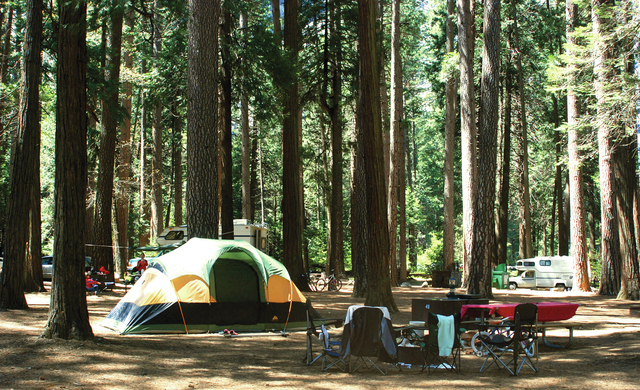
Bugs and critters are another common fear when camping in a tent. Mosquitoes, ticks, spiders, and other insects can be annoying and even dangerous, while larger animals like bears and raccoons can be a real threat.
To minimize the risk of insect bites and stings, choose a tent with mosquito netting or screens to keep bugs out. Keep your tent clean and free of food crumbs to avoid attracting animals, and store your food in a bear-resistant container or hang it from a tree. If you’re camping in an area known for bears, it’s a good idea to carry bear spray and know how to use it.
Safety
Safety is a top priority when camping in a tent, and there are several potential hazards to be aware of. Tripping over tent stakes or guy lines, getting tangled in the tent fabric, and accidentally starting a fire are all risks that campers face.
To stay safe while using a tent, choose a tent that’s easy to set up and take down, and that has clear instructions for proper use. Make sure the tent is set up in a level and stable location, and that it’s secured with stakes or guy lines to prevent it from collapsing in high winds.
When using a stove or other heat source, make sure it’s placed on a stable surface and away from the tent fabric. Keep flammable materials like clothing and bedding away from the stove, and never leave it unattended.
Comfort
Camping in a tent can be uncomfortable, especially for those who are used to sleeping in a bed. The hard ground, cold temperatures, and noisy surroundings can make it difficult to get a good night’s sleep.
To improve your comfort while camping in a tent, invest in a good-quality sleeping pad or air mattress to provide cushioning and insulation from the ground. Use a warm sleeping bag and dress in layers to stay comfortable in changing temperatures. Earplugs and a sleep mask can help to block out noise and light, while a camping pillow can provide added comfort.
Getting Lost
Getting lost is a common fear for those who are new to camping, especially in unfamiliar terrain. To minimize the risk of getting lost, it’s important to plan your route in advance and carry a map and compass.
Familiarize yourself with the area before setting out, and stay on designated trails and campsites. Bring a GPS device or smartphone with a map app as a backup, and make sure you have plenty of food, water, and emergency supplies in case you do get lost.
In conclusion, camping in a tent can be a wonderful and rewarding experience, but it’s important to address your fears and concerns