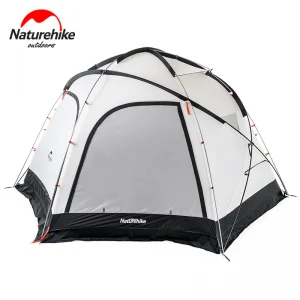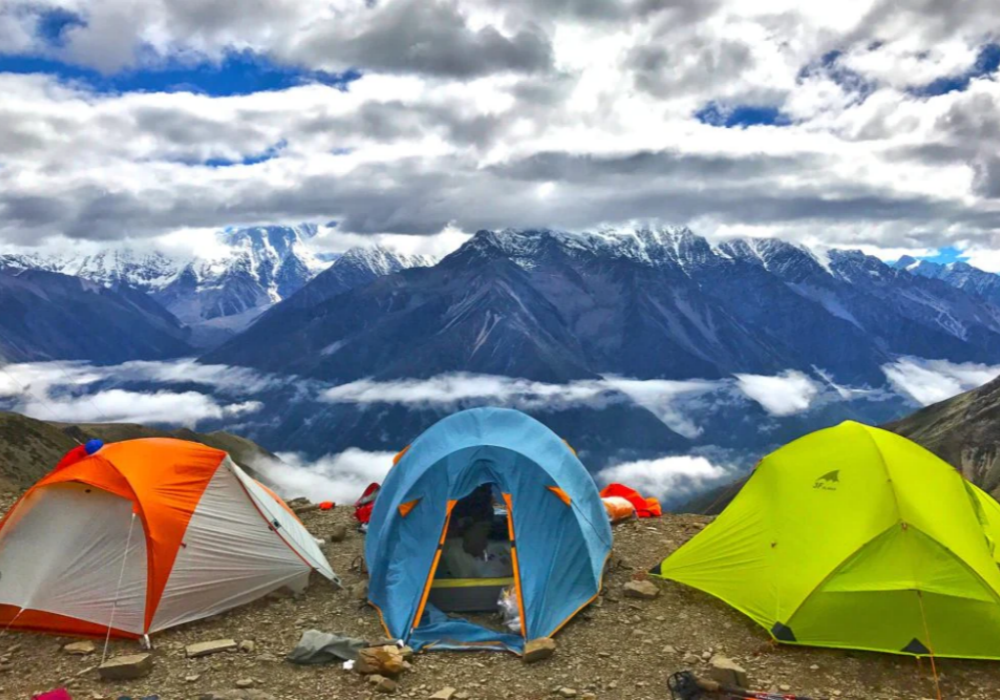
Mountaineering presents unique challenges that demand specialized gear, and selecting the right tent is paramount for a successful and safe ascent. The ideal mountaineering tent should offer a blend of durability, weather resistance, and lightweight design to withstand extreme conditions at high altitudes. We will conduct a thorough analysis of the best tents for mountaineering, considering key factors such as design, materials, weight, and performance, to help you make an informed decision for your next alpine adventure.
1. Four-Season Versatility:
A top priority for mountaineering tents is their ability to withstand harsh weather conditions year-round. Look for tents labeled as four-season or extended-season, as these are specifically designed to handle high winds, heavy snow loads, and low temperatures commonly encountered during mountain expeditions.
2. Lightweight Materials:
Given the necessity for portability during long ascents, prioritize tents constructed from lightweight and durable materials such as ripstop nylon or polyester. These materials offer a balance between weight and strength, ensuring your tent can withstand the rigors of mountaineering without adding unnecessary bulk to your gear.
3. Robust Poles and Anchoring Systems:
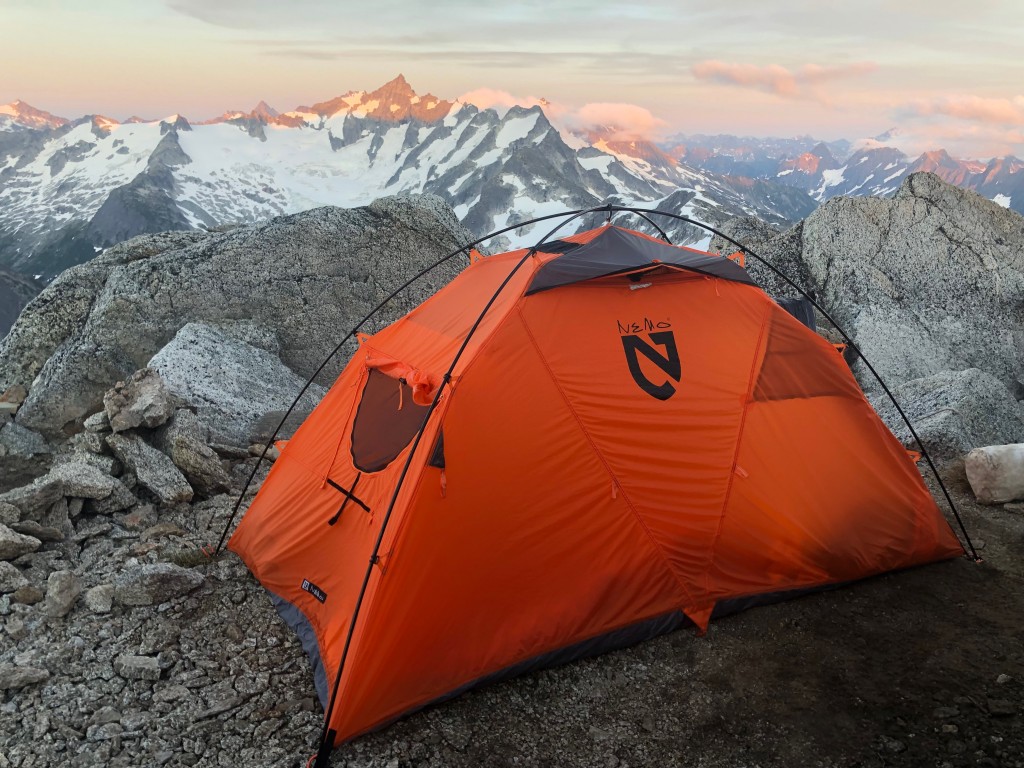
Sturdy tent poles and reliable anchoring systems are essential for withstanding the strong gusts of wind that are common at higher elevations. Aluminum or carbon fiber poles provide excellent strength-to-weight ratios, while robust stakes and guylines help secure the tent to the ground, preventing it from being blown away in extreme weather.
4. Ventilation and Condensation Management:
Effective ventilation is critical to prevent condensation buildup inside the tent, which can lead to dampness and compromise the warmth of your sleeping environment. Look for tents with well-placed vents and mesh panels that allow for proper airflow while keeping pesky insects out.
5. Spacious Vestibules:
Adequate storage space is vital for keeping your gear dry and protected. Tents with spacious vestibules provide ample room for storing backpacks, boots, and climbing equipment, ensuring easy access and organized storage while you focus on the ascent.
6. Snow Skirts and Snow Flaps:
Tents equipped with snow skirts and snow flaps provide an added layer of protection from snow and cold drafts. These features prevent snow from accumulating around the base of the tent and entering the sleeping area, maintaining a warm and comfortable interior despite the challenging external conditions.
7. Consideration of Altitude and Temperature Rating:
When choosing a tent for mountaineering, consider the altitude and expected temperature range of your expedition. Look for tents with appropriate temperature ratings and consider the additional insulation needed to ensure a comfortable night’s sleep in the extreme cold often encountered at high elevations.
8. Durability and Tear Resistance:
Mountaineering tents must be highly durable and tear-resistant to withstand sharp rocks, ice, and other abrasive surfaces commonly found on mountain terrain. Reinforced stitching, durable fabrics, and abrasion-resistant materials are essential features to look for to ensure your tent can withstand the rugged conditions of high-altitude climbs.
Selecting the right tent for mountaineering is a critical decision that can significantly impact your safety and comfort during your alpine expeditions. By prioritizing features such as four-season versatility, lightweight materials, robust poles and anchoring systems, effective ventilation, spacious vestibules, snow skirts, and durability, you can ensure that your chosen tent serves as a reliable and secure shelter during your challenging mountaineering endeavors. Invest in a high-quality tent that meets the demands of the mountain environment, allowing you to focus on your climb and enjoy the breathtaking views and experiences that only high-altitude adventures can offer.