Camping outdoors offers unique opportunities to connect with nature, but it also means sharing the wilderness with a variety of wildlife. While most wildlife encounters are harmless and memorable, precautions must be taken to protect yourself and your camping gear, including tents. I will tell you some common knowledge.
1. Choose the right location:
Choosing the right camping spot is your first line of defense against wildlife. Research the area where you plan to camp and learn about the types of animals that live there. Avoid pitching your tent near natural food sources such as berry bushes or streams, as these can attract wildlife.
2. Use a bear can or food locker:
In bear country, storing food safely is crucial. Use bear-proof cans or pantry storage to store all scented items such as food, cooking utensils, and toiletries. Hang these containers in a tree or use a storage facility away from your tent.
3. Keep your campsite clean:
Clean up promptly after meals to keep the campground clean. Place food scraps and trash in bear-proof containers or designated disposal areas. This reduces the chance of attracting curious wildlife to your campsite.
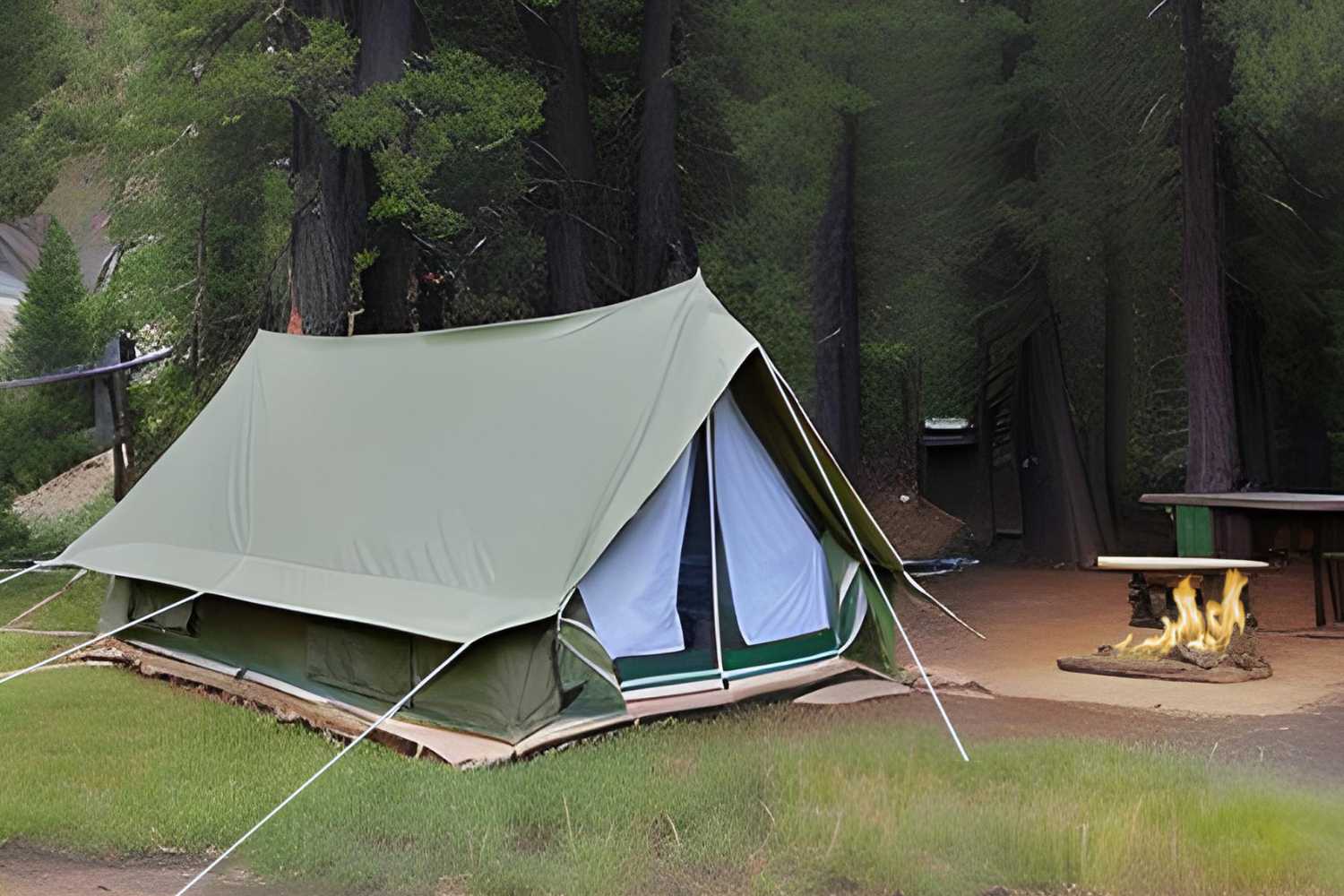
4. Make sure the tent is safe:
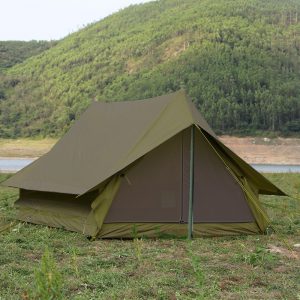
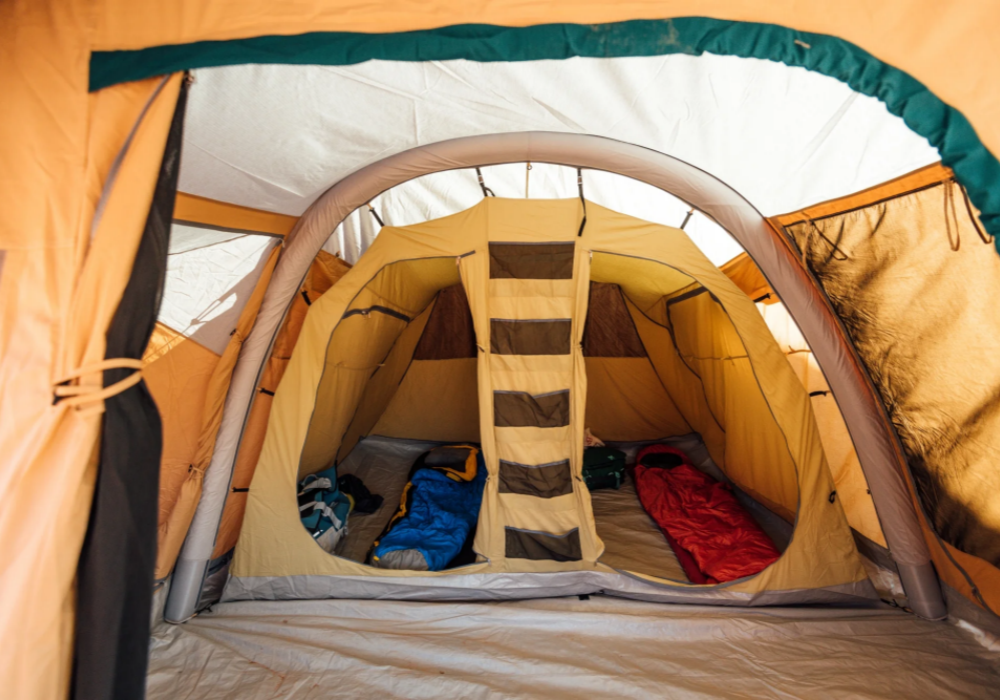
Wild animals, especially small animals such as raccoons and squirrels, may try to enter your tent in search of food or shelter. Keep your tent zipped up when not in use and consider using a ground tarp to deter burrowing animals. Check your tent for any holes or tears that could provide access.
5. Avoid bringing food indoors:
Do not store or eat food or snacks in the tent and try to minimize the smell of food in the tent. Even the faintest scent can attract wildlife. Instead, use separate designated areas for cooking and eating.
6. Use noise as a deterrent:
Many animals are naturally wary of noise. Hanging wind chimes or setting a radio to play soft music can deter curious wildlife from approaching your campsite.
7. Carry bear spray:
If you’re camping in bear country, consider carrying bear spray and learn how to use it. Bear spray is a powerful deterrent and, when used correctly, can stop approaching bears.
8. Self-education:
Learn about the specific wildlife species and their behaviors in your camping area. Understanding how animals behave can help you predict and prevent encounters.
9. Store scented items safely:
In addition to food, other scented items such as toothpaste, soap and sunscreen can attract wildlife. Store these items in a bear can or food locker with food.
10. Watch out for bears:
In bear country, make sounds while hiking or walking around campgrounds to alert bears of your presence. Avoid surprising bears, especially mothers with cubs. Keep a safe distance and never approach wild animals.
Enjoying the wilderness and its wildlife is an integral part of camping, but it must be done in a responsible and safe manner. By taking precautions, learning about local wildlife, and following these tips, you can protect yourself, your camping gear, and the animals themselves. Responsible camping ensures a positive experience for you and the wildlife that call the wilderness home.