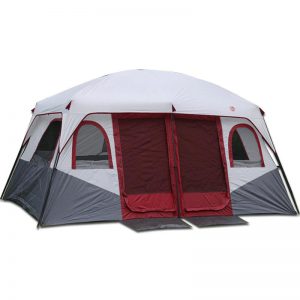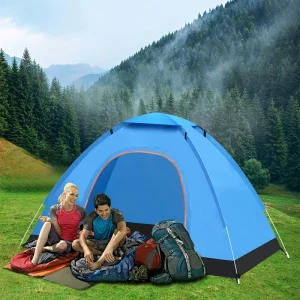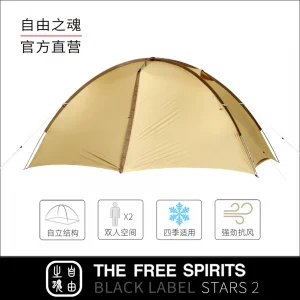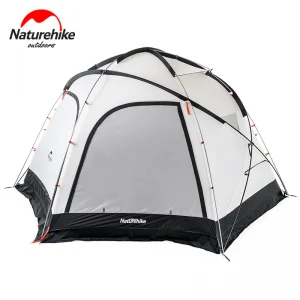
In the world of outdoor adventures, the camping tent stands as a crucial companion, offering shelter, protection, and comfort in the great outdoors. However, the trust that campers place in these tents comes with a significant responsibility for manufacturers. Ensuring the quality and reliability of camping tent production is not only a matter of business success but, more importantly, a matter of camper safety.
Material Selection:
Safety begins with the choice of materials. Camping tents must be constructed from durable, weather-resistant, and flame-retardant materials. Manufacturers should carefully select fabrics that are tear-resistant and can withstand UV exposure to ensure the tent’s longevity and safety.
Quality Control:
Implementing strict quality control measures is paramount. Each tent should undergo rigorous testing to assess its structural integrity, waterproofing, and resistance to adverse weather conditions. Quality control checks at various stages of production help identify and rectify any defects before the tent reaches the market.
Fire Safety Standards:
Safety regulations regarding fire-resistant materials should be adhered to, especially considering that tents are often used near open flames or portable stoves. Ensuring that tents meet fire safety standards minimizes the risk of accidents and injuries around the campfire.

Seam and Stitch Quality:
The strength and quality of seams and stitches are crucial. Inferior stitching can compromise the tent’s structural integrity, leading to tears and leaks. Manufacturers must invest in advanced sewing techniques and equipment to create strong, dependable seams.
Frame Strength and Durability:
Tent frames, whether made of fiberglass, aluminum, or other materials, must be robust and designed to withstand various weather conditions. Ensuring that frames are adequately tested for durability and stability is essential for camper safety.
Weather Resistance Testing:
Testing tents in simulated weather conditions is crucial. Rigorous weather resistance testing ensures that the tent can withstand heavy rain, strong winds, and even snow loads without compromising its structural integrity.
Flame Retardant Treatments:
Applying flame-retardant treatments to tent fabrics is a safety measure that cannot be overlooked. These treatments inhibit the spread of fire and give campers precious time to evacuate in case of emergencies.
User Instructions and Labels:
Manufacturers should provide clear and comprehensive user instructions with each tent. These instructions should cover proper setup, takedown, and maintenance procedures, as well as safety guidelines for campers. Labels on tents should display safety-related information prominently.
Third-Party Certification:
Obtaining third-party certification for tents is a mark of quality and safety. Certification bodies rigorously evaluate tents to ensure they meet industry standards for safety and performance.
Continuous Improvement:
The pursuit of safety doesn’t end with product launch. Manufacturers should actively seek customer feedback, monitor product performance, and invest in research and development to continually enhance the safety and reliability of their camping tents.
Safety is paramount in the camping tent manufacturing industry. Campers trust these shelters to provide protection in various outdoor environments, and any compromise in quality can have serious consequences. By prioritizing material selection, quality control, adherence to safety standards, and continuous improvement, manufacturers can ensure that their camping tents not only meet camper expectations but also guarantee a safe and enjoyable outdoor experience for all. Safety must always come first in the production of camping tents, making quality and reliability the cornerstones of responsible manufacturing in the outdoor industry.