Camping tents are an essential piece of equipment for outdoor enthusiasts, providing shelter and comfort in the great outdoors. While proper maintenance and cleanliness are important for the longevity of a tent, there are limitations to how frequently tents can be cleaned. In this article, we will delve into the reasons why camping tents can’t be cleaned all the time and explore the challenges and considerations associated with tent cleaning. Understanding these limitations will help campers make informed decisions regarding tent care and maintenance.
Environmental Constraints:
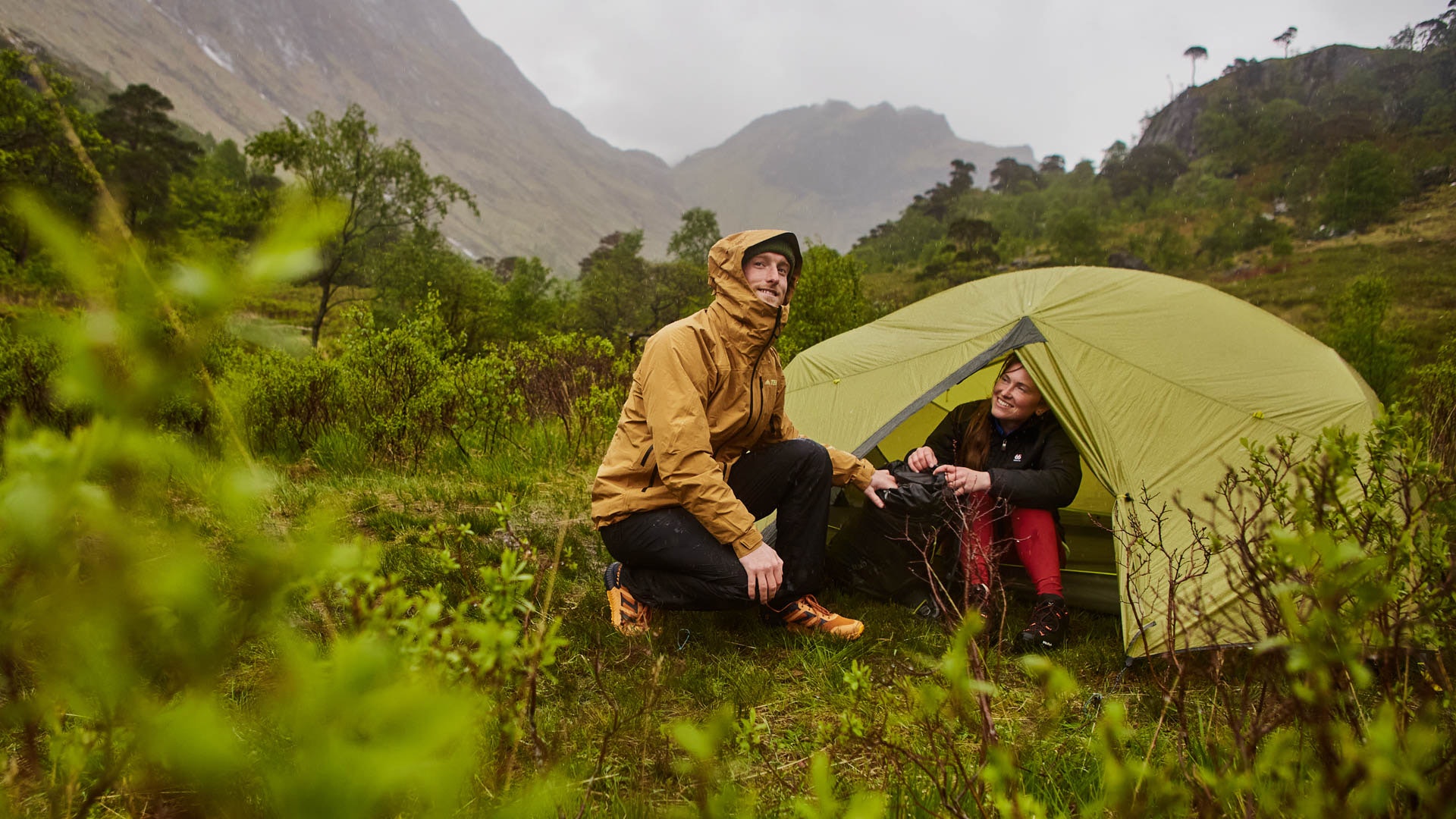
One of the primary reasons camping tents can’t be cleaned all the time is the environment in which they are used. Camping often takes place in natural settings with limited access to water and cleaning facilities. In remote wilderness areas, water may be scarce, making it impractical or even impossible to clean a tent thoroughly. Additionally, harsh outdoor conditions, such as rain, mud, and dust, can quickly soil a tent, making frequent cleaning necessary. However, attempting to clean a tent under such circumstances may lead to further damage or contamination.
Delicate Materials and Construction:
Most camping tents are constructed using lightweight and delicate materials to ensure ease of setup, portability, and comfort. These materials, such as nylon or polyester, can be sensitive to harsh cleaning agents, rough handling, and excessive scrubbing. Aggressive cleaning techniques or the use of improper cleaning products can weaken the fabric, compromise the tent’s waterproofing capabilities, or cause color fading. Tent seams and zippers are also vulnerable to damage if not handled with care during the cleaning process.
Water Resistance and Drying Challenges:
Camping tents often come with waterproof coatings to protect campers from rain and moisture. Regular cleaning with soap or detergent can strip away this protective layer, reducing the tent’s ability to repel water effectively. Furthermore, thorough drying is crucial after cleaning to prevent the growth of mold, mildew, and unpleasant odors. In certain weather conditions, such as high humidity or prolonged rain, achieving complete dryness can be challenging. Storing a wet or damp tent can lead to the development of mold, which can be detrimental to both the tent and the camper’s health.
Time and Effort Constraints:
Cleaning a camping tent requires time, effort, and careful attention to detail. Depending on the tent’s size and level of soiling, the cleaning process can be labor-intensive and time-consuming. Tent components, such as rainflies, inner tent walls, and floors, may need to be cleaned separately. Moreover, proper drying and storage practices should be followed after cleaning. For campers on short trips or those with limited time for maintenance, it may not be feasible to clean the tent thoroughly after every use.
Prioritizing Longevity and Functionality:
While cleanliness is important for hygiene and comfort, prioritizing the longevity and functionality of a camping tent is equally crucial. Frequent and unnecessary cleaning can accelerate wear and tear, compromising the tent’s structural integrity and performance over time. Striking a balance between necessary cleaning and preserving the tent’s lifespan is essential for avid campers who want to enjoy their tents for many seasons to come.
Conclusion:
While maintaining cleanliness in camping tents is important, it is essential to recognize the limitations and challenges associated with frequent cleaning. Environmental constraints, delicate materials, water resistance concerns, time constraints, and the need to prioritize longevity all contribute to the reasons why camping tents can’t be cleaned all the time. By adopting a mindful and balanced approach to tent care, including spot cleaning when necessary, practicing good camping etiquette, and storing the tent properly, campers can strike a balance between cleanliness and the preservation of their tent’s functionality. Ultimately, a well-maintained and cared-for tent will continue to provide comfort, protection, and lasting memories on many outdoor adventures to come.