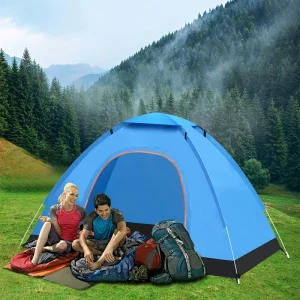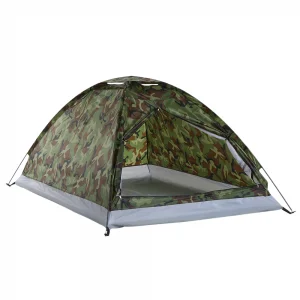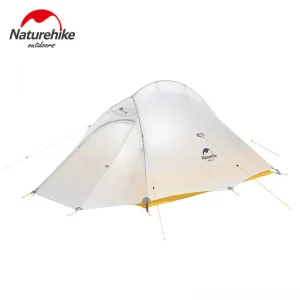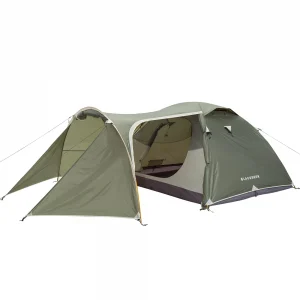
For novice campers, the excitement of embarking on outdoor adventures often comes hand in hand with a few unexpected challenges. One common frustration for beginners is the susceptibility of their tents to damage. Understanding why novice’s tents are prone to breaking can help aspiring outdoor enthusiasts avoid common pitfalls and ensure a more enjoyable camping experience. In this article, we will explore some key reasons why novice’s tents are susceptible to damage and provide valuable insights to help mitigate these risks.
Lack of Tent Familiarity:
Novice campers may lack familiarity with tent setup and maintenance procedures. This lack of experience can lead to errors during assembly, such as improper pole alignment or inadequate stake placement. Without proper knowledge, novice campers may inadvertently put excess stress on tent components, making them more prone to breakage.
Inadequate Tent Selection:
Choosing the right tent is crucial, especially for beginners. Novices often underestimate the importance of selecting a tent suitable for their specific needs and camping conditions. Opting for a low-quality or ill-fitting tent can result in compromised structural integrity, flimsy materials, and weakened seams—all of which increase the risk of breakage.
Mishandling and Rough Treatment:
Inexperience can lead to mishandling and rough treatment of tents. Novice campers may unintentionally subject their tents to unnecessary strain by yanking on fabric, forcing zippers, or neglecting to use proper care when packing and storing the tent. Such rough treatment can weaken tent components and result in tears, broken poles, or damaged zippers.
Lack of Maintenance:
Proper tent maintenance is crucial for longevity and durability. Novice campers may overlook routine maintenance practices such as cleaning, drying, and storing their tents correctly. Failing to remove dirt, debris, and moisture from the tent can accelerate wear and tear, compromising the tent’s overall structural integrity over time.
Ignoring Weather Considerations:
Weather conditions play a significant role in tent durability. Novices may overlook the importance of weather considerations when selecting and setting up their tents. Choosing a tent ill-suited for specific weather conditions, such as a lightweight tent in high winds or a non-waterproof tent during rainy seasons, can increase the likelihood of damage.
Lack of Knowledge about Tent Repairs:
Novices may be unfamiliar with basic tent repair techniques. Simple fixes, such as patching small tears or replacing broken poles, can be manageable if one possesses the necessary knowledge and tools. However, without understanding these repair techniques, novice campers may struggle to address minor damages promptly, allowing them to worsen over time.
Budget Constraints:
In an attempt to save money, novice campers may opt for budget-friendly tents that sacrifice quality and durability. While budget constraints are understandable, compromising on the quality of tent materials and construction can result in an increased risk of damage during outdoor excursions.
Mitigating the Risk of Tent Damage for Novice Campers:
Education and Preparation:
Novice campers should invest time in learning about tent setup, maintenance, and repair techniques. Reading manufacturer instructions, watching instructional videos, and seeking advice from experienced campers can provide valuable insights and increase confidence in handling tents.
Choosing Quality Tents:
Prioritize quality when selecting a tent, even if it means investing a little more. Look for reputable brands, durable materials, reinforced stitching, and robust pole systems to ensure a higher level of durability and resistance to damage.
Careful Handling and Maintenance:
Handle tents with care, avoiding unnecessary strain or force. Follow proper maintenance practices, including regular cleaning, drying, and storing in a dry and cool environment. Avoid packing tents when damp, as this can promote mold growth and weaken materials.
Weather-Appropriate Tents:
Consider the weather conditions of your camping destination and choose a tent designed to withstand those conditions. A weather-resistant tent with sturdy construction and appropriate features will provide better protection and reduce the risk of damage during inclement weather.
Learn Basic Repair Techniques:
Equip yourself with basic tent repair knowledge, including patching tears, replacing broken poles, and fixing zippers. Carry a tent repair kit with essential tools and materials to address minor damages promptly.
Conclusion:
Understanding why novice’s tents are prone to breaking is the first step towards preventing damage during camping adventures. By addressing common pitfalls such as lack of familiarity, inadequate tent selection, mishandling, and neglecting maintenance, novice campers can enjoy more resilient and long-lasting tents. With proper education, preparation, and care, novices can confidently navigate the outdoors while preserving the integrity of their camping shelters. Remember, investing in the right tent and adopting responsible camping practices will contribute to a more enjoyable and stress-free camping experience for years to come.