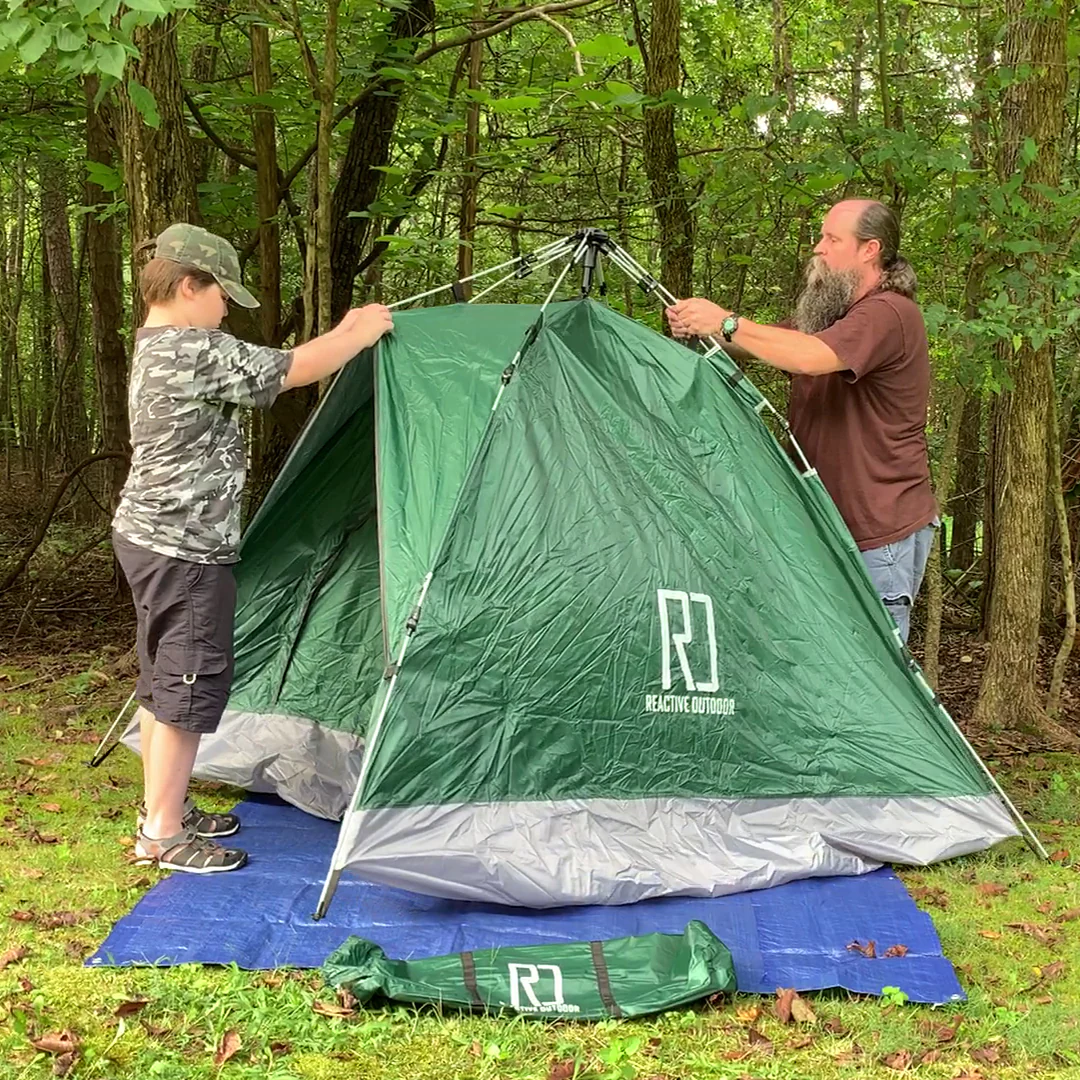
When planning a camping trip, choosing the right gear is essential for a comfortable and enjoyable experience. One piece of gear that should not be overlooked is the tent footprint. A tent footprint is a protective layer that goes underneath your tent and helps to protect it from abrasion, moisture, and other hazards that could cause damage to your tent. In this article, we will discuss how to choose the right tent footprint for your camping trip.
Why Use a Tent Footprint?
Using a tent footprint has many benefits. It helps to protect the bottom of your tent from dirt, rocks, and other debris that can cause abrasion and wear over time. Additionally, a footprint can help keep your tent dry by preventing moisture from seeping up through the ground. This can be especially important if you are camping in wet or damp conditions.
What are Tent Footprints Made Of?
Tent footprints are typically made from lightweight, durable materials that are resistant to abrasion and moisture. Common materials include nylon, polyester, and polyethylene. Nylon and polyester footprints are lightweight and packable, making them a great option for backpackers and hikers. Polyethylene footprints are more heavy-duty and are better suited for car camping and longer trips.
How to Choose the Right Size Footprint
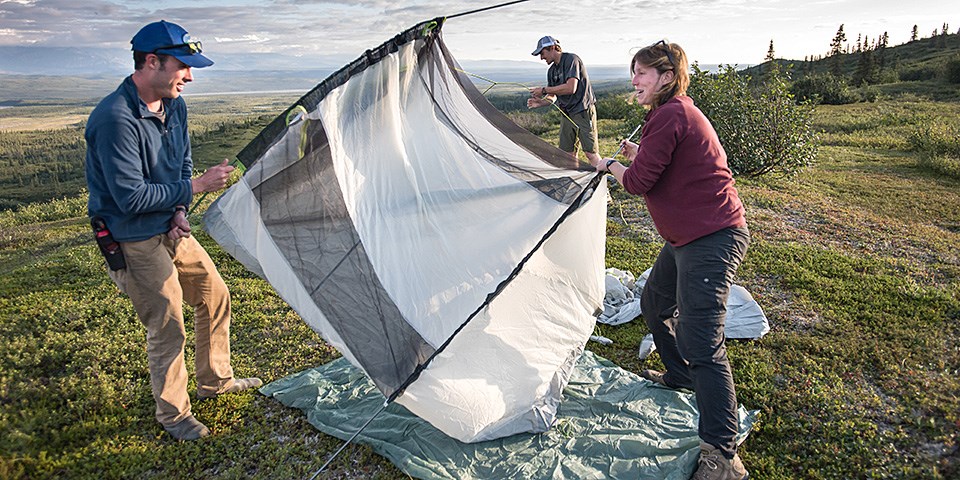
When choosing a tent footprint, it is important to select one that matches the size and shape of your tent. Most tent manufacturers sell footprints that are specifically designed for their tents, so be sure to check for compatibility before making a purchase. If a manufacturer does not sell a footprint for your tent, you can usually find a generic option that will work.
To determine the size of the footprint you need, measure the floor dimensions of your tent and select a footprint that matches. If your tent has an irregular shape or includes vestibules or other features, be sure to factor those into your measurements as well.
Should You Buy a Footprint or Make Your Own?
While it is possible to make your own tent footprint using a tarp or other materials, purchasing a high-quality footprint is generally recommended. Tent footprints that are specifically designed for your tent are more likely to fit properly and provide the necessary protection. Additionally, homemade footprints may not be as durable or weather-resistant as those made from specialized materials.
Additional Considerations
When selecting a tent footprint, there are a few additional factors to consider. Some footprints come with stake loops, which can help to keep the footprint in place and prevent it from shifting under your tent. Others may include grommets or other attachment points for use with specific tent models.
It is also important to consider the weight and packability of the footprint. If you are planning a backpacking or hiking trip, you will likely want a lightweight and compact footprint that can easily fit into your pack. If you are car camping, however, you may be able to opt for a heavier and more durable footprint.
In conclusion, choosing the right tent footprint is an important part of preparing for your camping trip. A high-quality footprint can help to protect your tent from damage and keep it dry in wet conditions. By considering factors such as size, material, and additional features, you can select a footprint that meets your needs and ensures a comfortable and enjoyable camping experience.