When it comes to camping, one of the most important considerations is ensuring that you have a comfortable and safe place to sleep. This is where a good camping tent comes in, as it provides you with a shelter from the elements and a place to rest your head at night. However, many people overlook the importance of ventilation when choosing a camping tent. In this article, we’ll explore why ventilation is so important, and how you can ensure that your tent is properly ventilated.
Why is Ventilation Important?
Proper ventilation in your camping tent is crucial for several reasons. First and foremost, it helps to regulate the temperature inside the tent. When you’re camping in warm weather, a tent that isn’t properly ventilated can quickly become hot and stuffy, making it difficult to sleep or even breathe comfortably. On the other hand, in colder weather, a lack of ventilation
In addition to regulating the temperature, proper ventilation also helps to reduce the amount of moisture inside the tent. When you’re camping, it’s inevitable that you’ll produce moisture through activities like cooking, breathing, and sweating. Without proper ventilation, this moisture can build up inside the tent, leading to a damp and uncomfortable environment. This can also contribute to the growth of mold and mildew, which can be hazardous to your health.
Finally, ventilation is important for air quality. When you’re camping, you’re often in close quarters with other people, and the air inside the tent can quickly become stale and unpleasant. Proper ventilation helps to circulate fresh air and remove stale air, ensuring that you have a comfortable and healthy environment.
How to Ensure Proper Ventilation
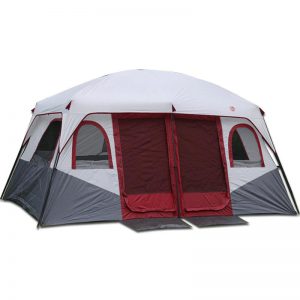
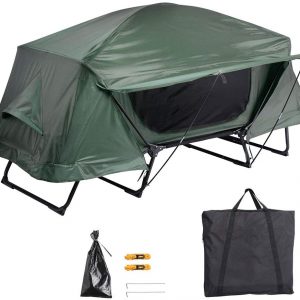
Now that you understand the importance of ventilation in your camping tent, let’s explore how you can ensure that your tent is properly ventilated. The first step is to choose a tent that is designed with ventilation in mind. Look for tents that feature mesh panels or windows that can be opened to allow fresh air in and stale air out. Tents with a rainfly that can be adjusted or removed are also a good choice, as this allows you to regulate the amount of airflow inside the tent.
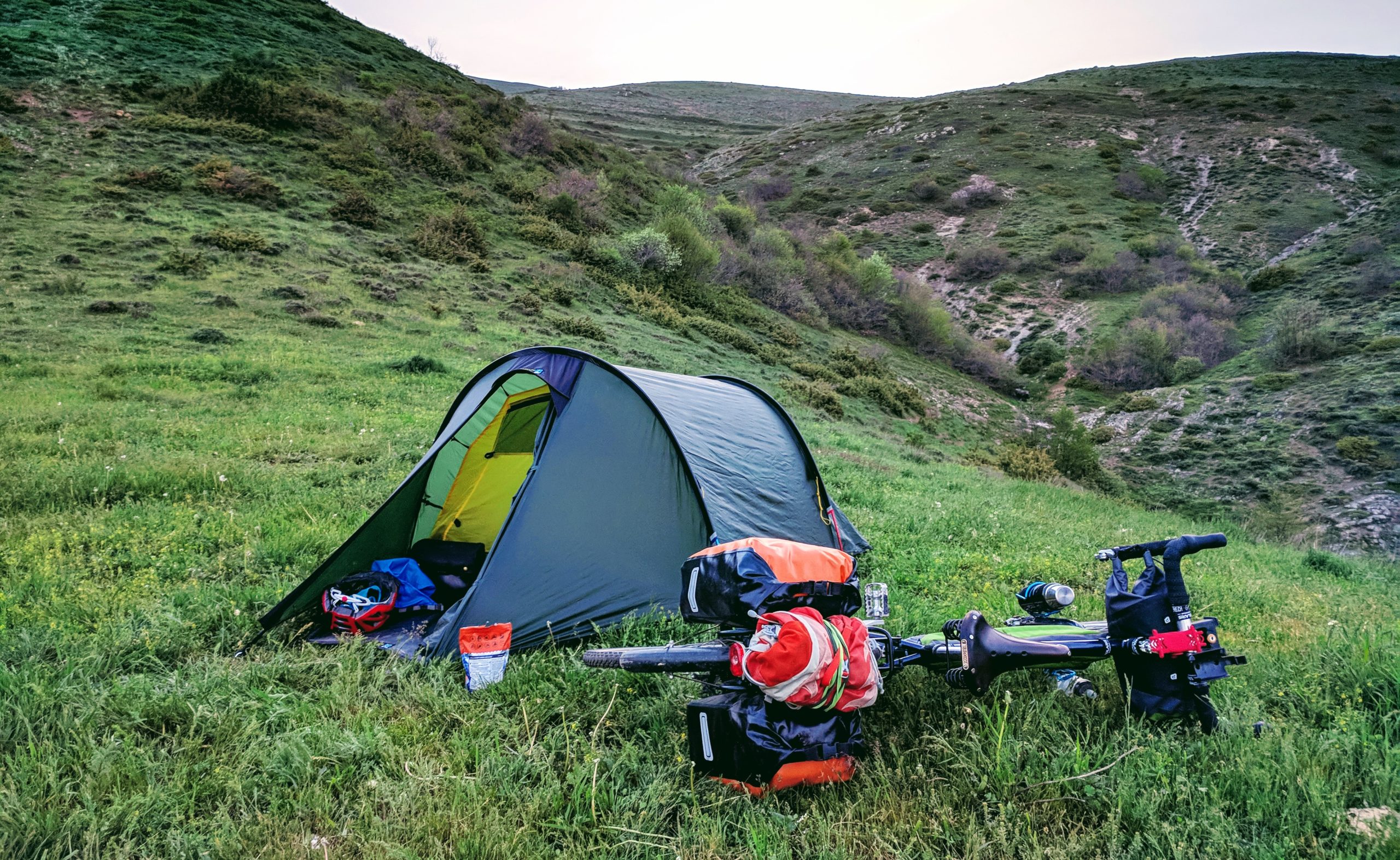
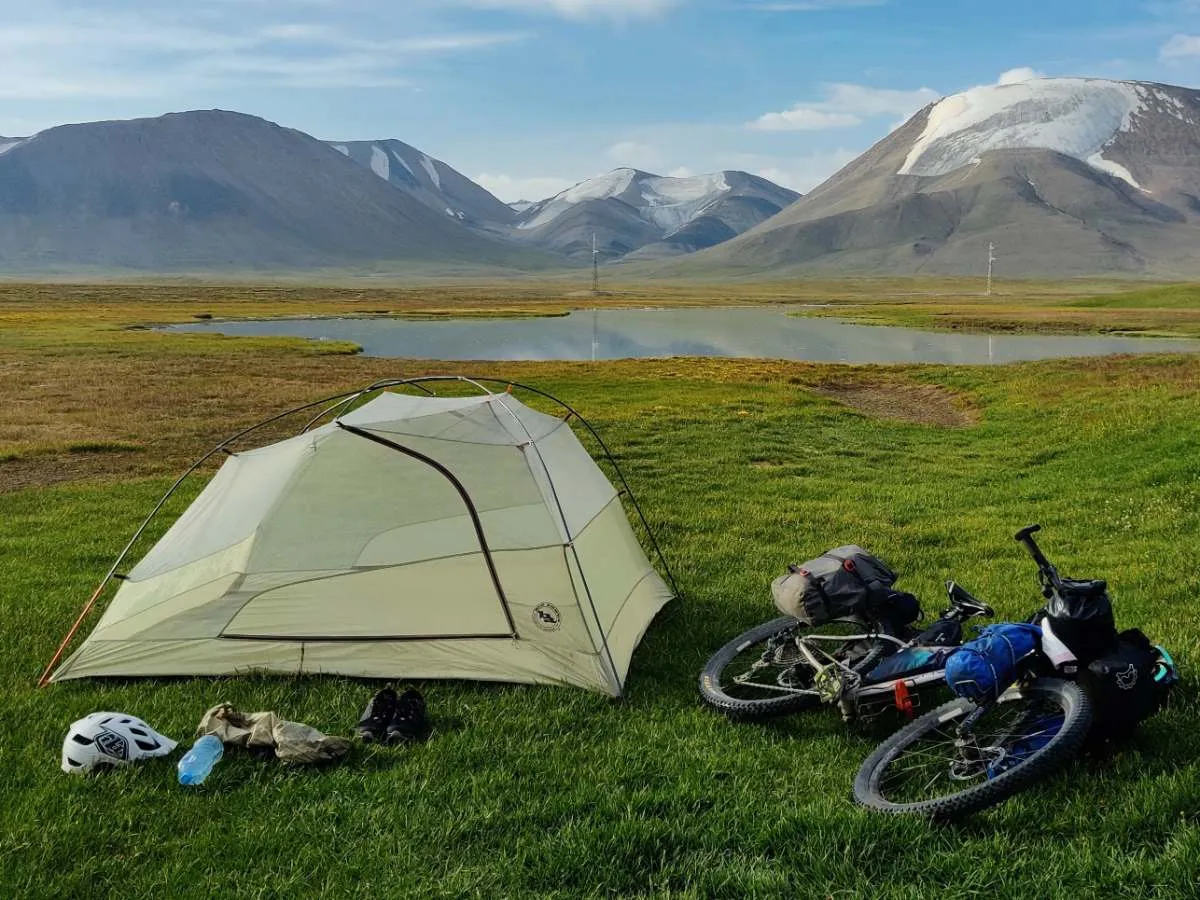
Another important consideration is the placement of your tent. When setting up your tent, try to choose a location that is well-ventilated, such as an open field or a spot with a good breeze. Avoid setting up your tent in low-lying areas or areas with poor airflow, as this can lead to a buildup of moisture and stale air inside the tent.
Finally, make sure to properly use any ventilation features that your tent has. Open windows or mesh panels when the weather permits, and adjust your rainfly as needed to regulate the amount of airflow. It’s also a good idea to periodically air out your tent by leaving it open on a sunny day or propping it up with a trekking pole to allow air to circulate inside.
Conclusion
When it comes to camping, proper ventilation is often overlooked but it is crucial to a comfortable and safe camping experience. By choosing a tent that is designed with ventilation in mind, selecting a well-ventilated location for your tent, and properly using any ventilation features that your tent has, you can ensure that your camping trip is comfortable and enjoyable. So, when you’re shopping for a camping tent, remember to prioritize ventilation and choose a tent that will keep you cool, dry, and comfortable no matter what the weather brings.