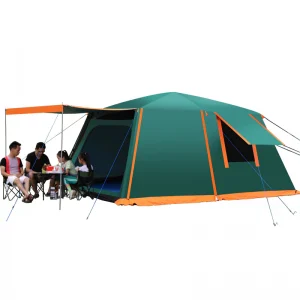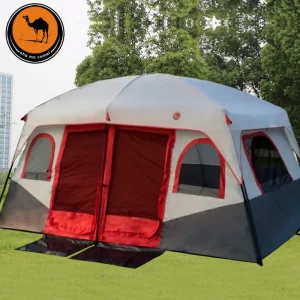
When it comes to choosing a camping tent, one of the most important decisions is whether to go for a freestanding or non-freestanding design. Each option has its own set of benefits and drawbacks that should be carefully considered before making a purchase. In this article, we’ll discuss the pros and cons of freestanding tents vs. non-freestanding tents.
What is a Freestanding Tent?
A freestanding tent is a type of tent that can stand up on its own without the need for stakes or guylines. The tent poles create a rigid structure that keeps the tent upright, and the tent body is attached to the poles using clips or sleeves. Freestanding tents are typically easier to set up than non-freestanding tents because they can be moved around and adjusted before being staked down.
Benefits of Freestanding Tents
- Easy Setup: Freestanding tents are generally easier and quicker to set up than non-freestanding tents. They don’t require any staking or guylines to stay upright, so you can set them up anywhere and adjust them as needed before securing them to the ground.
- Versatility: Freestanding tents can be used in a wider range of environments than non-freestanding tents. They can be set up on hard surfaces like concrete or rock, and they can be used in areas where staking is prohibited, such as some national parks.
- Standalone Shelter: Freestanding tents can also be used as standalone shelters. The tent poles can be set up without the tent body attached, creating a sheltered area for cooking, eating, or lounging.

Drawbacks of Freestanding Tents
- Heavy Weight: Freestanding tents tend to be heavier than non-freestanding tents. The extra poles and clips add weight to the overall setup.
- Less Stability: Freestanding tents can be less stable in windy conditions. They rely solely on the tension of the tent fabric and the strength of the poles to stay upright, which can be less stable than the combination of stakes and guylines used in non-freestanding tents.
What is a Non-Freestanding Tent?
A non-freestanding tent is a type of tent that requires stakes or guylines to stay upright. The tent poles are inserted into sleeves on the tent body, and then the tent is staked down to keep it in place. Non-freestanding tents are typically lighter in weight than freestanding tents because they require fewer poles and have fewer clips.
Benefits of Non-Freestanding Tents
- Lightweight: Non-freestanding tents are generally lighter in weight than freestanding tents. This makes them ideal for backpacking and other activities where weight is a primary concern.
- Stability: Non-freestanding tents are typically more stable than freestanding tents in windy conditions. The combination of stakes and guylines creates a more stable structure that is less likely to collapse in high winds.
- Drawbacks of Non-Freestanding Tents
- Limited Setup Options: Non-freestanding tents require stakes or guylines to stay upright, which means they can only be set up in areas with suitable ground for staking. They can’t be used on hard surfaces like concrete or rock.
- Difficult Setup: Non-freestanding tents can be more difficult to set up than freestanding tents. The tent body must be staked down before the poles are inserted, which can be time-consuming and frustrating.