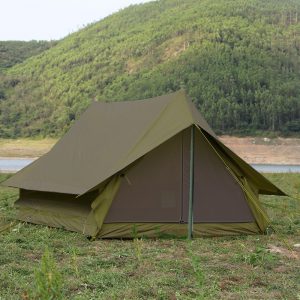
When it comes to selecting a tent for your camping adventure, one of the most important factors to consider is the tent material. There are a variety of materials used for tents, each with their own benefits and drawbacks. In this article, we’ll explore the pros and cons of different tent materials to help you make an informed decision when purchasing your next tent.
Nylon/Polyester Tents
Nylon and polyester are two of the most common materials used in tent construction. These synthetic materials are lightweight, durable, and offer good waterproofing abilities. Nylon and polyester tents also tend to be more affordable than tents made from other materials.
However, these materials have a few drawbacks. They do not provide much insulation and can get quite hot in the sun, making them less suitable for use in extremely hot climates. Additionally, nylon and polyester tents are prone to stretching over time, which can affect their stability in windy conditions.
Canvas Tents
Canvas is a traditional tent material that has been used for centuries. It is a heavy-duty material that is durable, breathable, and provides good insulation. Canvas tents are also great for use in extreme weather conditions such as heavy rain or high winds.
However, canvas tents tend to be heavy and bulky, making them difficult to transport and set up. They are also more expensive than nylon or polyester tents, and they require more maintenance to prevent mold and mildew growth.

Mesh Tents
Mesh tents are a popular option for warm-weather camping. They are made from lightweight materials that allow for maximum airflow, providing a comfortable sleeping environment even in hot and humid conditions. Mesh tents are also great for stargazing as they provide an unobstructed view of the night sky.
However, mesh tents do not offer much protection from the elements. They are not waterproof and offer little insulation, making them less suitable for use in colder climates. Mesh tents are also more prone to tears and damage than other tent materials, so they require more care when setting up and taking down.
Hybrid Tents
Hybrid tents are a combination of different materials. For example, a tent may have a canvas roof and nylon walls. Hybrid tents offer the benefits of different materials, providing good insulation and breathability while also being lightweight and easy to transport.
However, hybrid tents can be more expensive than other tent options due to the use of multiple materials. They can also be more difficult to set up and take down, as each material may require different care and maintenance.
In conclusion, the choice of tent material ultimately depends on your camping needs and preferences. Nylon and polyester tents are great for warm-weather camping and offer a budget-friendly option, while canvas tents are ideal for extreme weather conditions and provide good insulation. Mesh tents are great for hot and humid conditions but offer little protection from the elements. Hybrid tents combine the benefits of different materials but can be more expensive and difficult to set up. Consider your camping location, climate, and budget when choosing the best tent material for your needs.