Camping is a great way to explore the outdoors and connect with nature. However, different environmental conditions require different types of camping tents to ensure a comfortable and safe camping experience. In this article, we’ll discuss the different types of camping tents suitable for various environmental conditions.
Summer Camping Tents
Summer camping tents are designed to provide maximum ventilation and airflow, as summer months are typically hot and humid. These tents are made of lightweight materials, such as nylon or polyester, to prevent overheating and ensure breathability. They usually come with mesh panels or windows that can be opened to allow air to flow in and out of the tent.
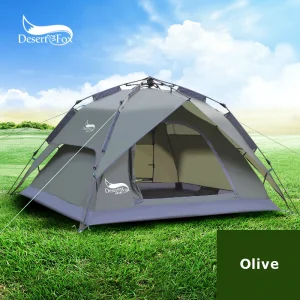
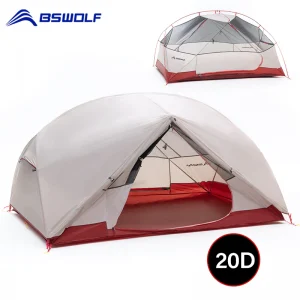
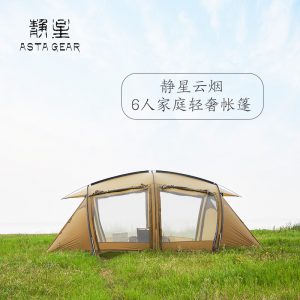
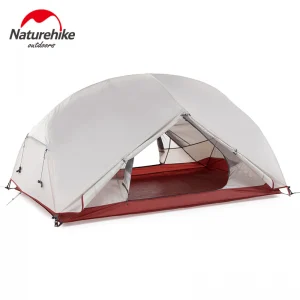
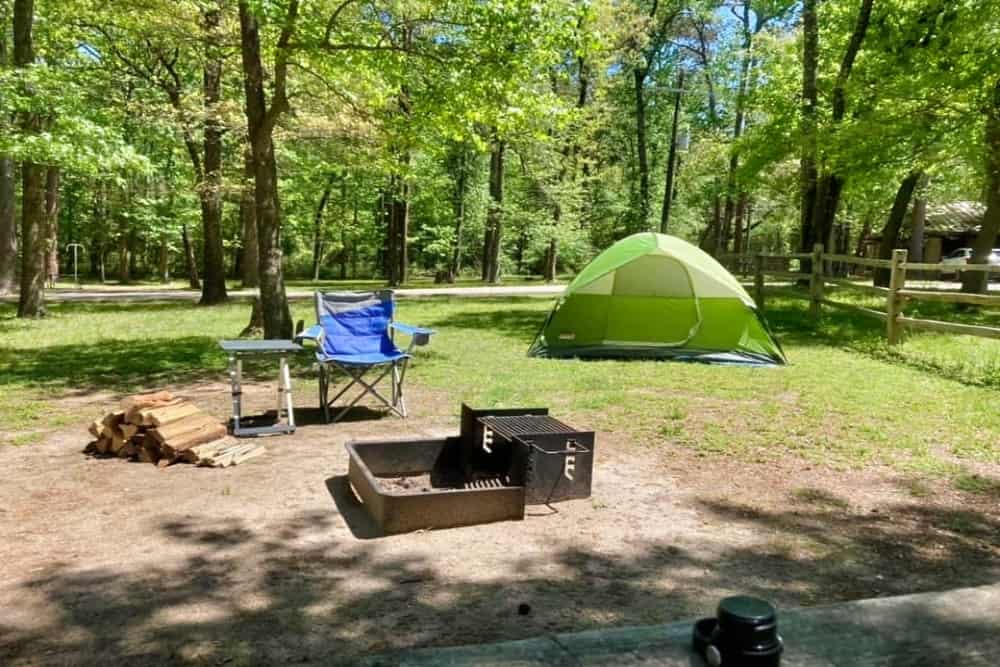
Summer camping tents come in various styles, such as dome tents, cabin tents, and tunnel tents. Dome tents are the most popular, as they are easy to set up and provide a good balance of space and ventilation. Cabin tents, on the other hand, are spacious and provide ample headroom, but can be heavy and difficult to set up. Tunnel tents are ideal for windy conditions, as they are designed to be aerodynamic and stable in gusty winds.
Winter Camping Tents
Winter camping tents are designed to withstand extreme weather conditions, such as snow, wind, and cold temperatures. These tents are made of durable materials, such as canvas or heavy-duty nylon, to provide insulation and warmth. They usually come with reinforced poles and stakes to withstand heavy snowfall and gusty winds.
Winter camping tents come in various styles, such as geodesic tents, dome tents, and tunnel tents. Geodesic tents are the most popular, as they are designed to withstand harsh weather conditions and provide maximum stability. Dome tents are also a good option for winter camping, as they are easy to set up and provide good insulation. Tunnel tents are not recommended for winter camping, as they are not as stable in high winds.
Rainy Camping Tents
Rainy camping tents are designed to keep you dry and comfortable in wet conditions. These tents are made of waterproof materials, such as coated nylon or polyester, to prevent rain from seeping in. They usually come with rainfly covers that can be easily installed to protect the tent from heavy rain.
Rainy camping tents come in various styles, such as dome tents, cabin tents, and tunnel tents. Dome tents are a popular choice, as they are easy to set up and provide good protection against rain. Cabin tents are also a good option, as they offer plenty of headroom and space to move around. Tunnel tents are not recommended for rainy camping, as they have a low profile and can easily flood in heavy rain.
Desert Camping Tents
Desert camping tents are designed to provide shade and ventilation in hot and dry conditions. These tents are made of lightweight materials, such as polyester or nylon, to prevent overheating and ensure breathability. They usually come with mesh panels or windows that can be opened to allow air to flow in and out of the tent.
Desert camping tents come in various styles, such as dome tents and cabin tents. Dome tents are the most popular, as they are easy to set up and provide a good balance of space and ventilation. Cabin tents are also a good option, as they offer plenty of headroom and space to move around. However, they can be heavy and difficult to set up in sandy conditions.
Mountain Camping Tents
Mountain camping tents are designed to withstand high altitudes and extreme weather conditions, such as snow, wind, and cold temperatures. These tents are made of durable materials, such as canvas or heavy-duty nylon, to provide insulation and warmth. They usually come with reinforced poles and stakes to