Outdoor camping often encounters sudden rainy weather, and the humidity and heat are unprepared. Remember the following 8 tips to make camping in the rain a pleasant thing.
1.Prepare the details.
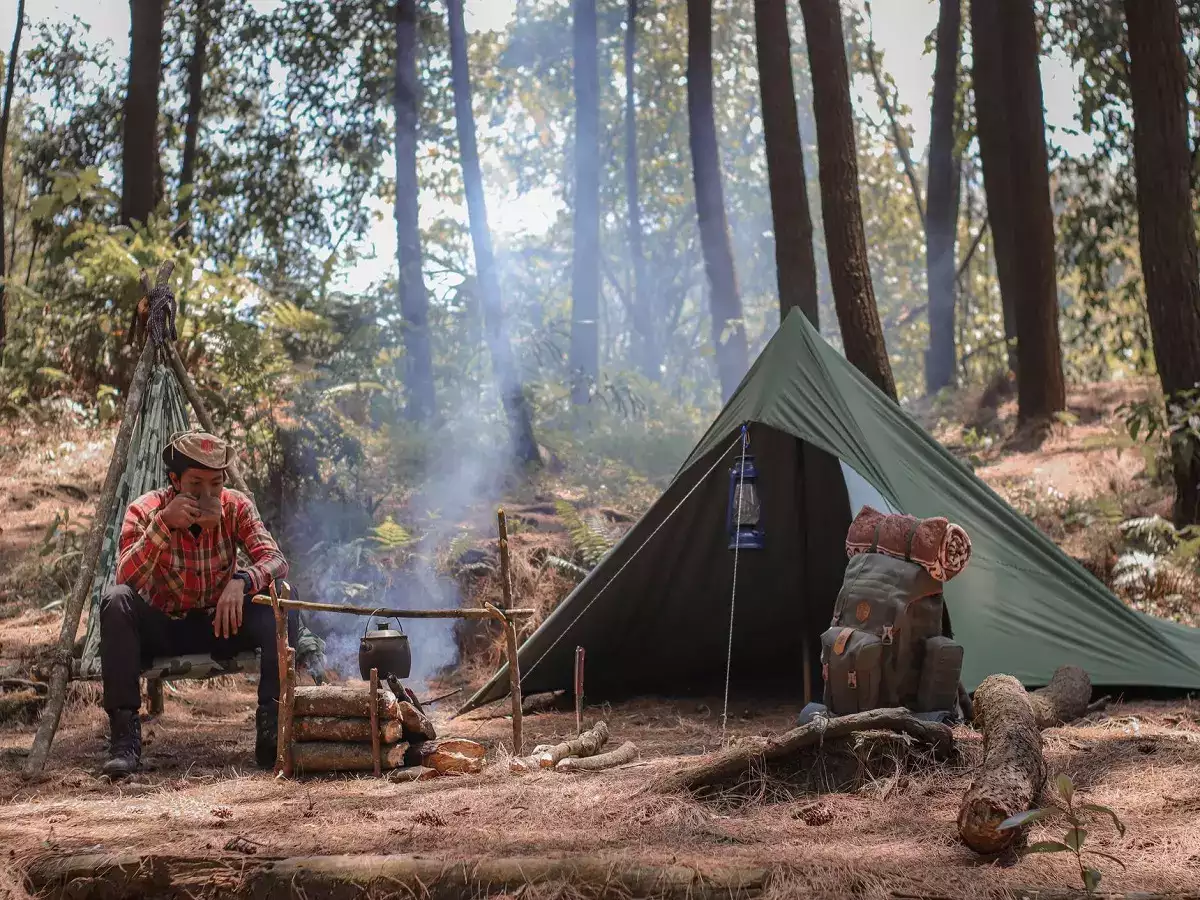
A big part of keeping your body dry is keeping rainwater from seeping into your clothes and gear. Use snow boots (they’re called snow boots, but there are lightweight styles designed to keep out the rain) or wear jogging pants to keep rain from seeping into your boots. Wear a baseball cap or other outdoor hat to prevent water droplets from penetrating the collar. Grab a few tarps and use them to build a roof that will provide a nice space to move around while camping.
2.Check and repair your equipment.
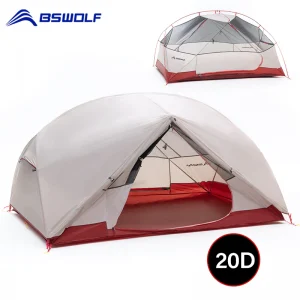
Before camping in the rain, check the seams on your tent, check the fabric for punctures and frayed spots, and the wind rope attachment is in order. If it is damaged, purchase the corresponding accessories to repair it.
If your jacket is old, it’s best to wash it, as dirt can clog the pores of the waterproof membrane and reduce breathability. If the DWR waterproof coating on the surface is worn, use a spray to re-waterproof.
The same goes for your hiking boots, even if they have a waterproof and breathable membrane inside, if the top DWR coating wears off, the leather and fabric of the shoe will absorb moisture, making the shoe heavier and less breathable.
3.Pack smartly.
Your backpack rain cover is only the first line of defense. Pack in plastic ziplock bags to protect contents from standing water and side showers. Pre-install before packing the tent, the wind rope can be tied first, and the outer tent can be folded in an easy-to-detach method. This speeds up tenting and minimizes the time the tent is exposed.
4.Dress correctly.
When hiking outdoors, your clothes get wet from two types of moisture: rain and sweat. Avoid cotton underwear, which are difficult to dry once wet, and opt for quick-drying synthetic or lightweight wool underwear. In areas with low rainfall, you can wear softshells. The softshell maximizes breathability and disperses sweat. However, if it’s colder and rainier, you’ll need a hardshell jacket to keep the wind and rain at bay. Now some jackets using new materials can provide reliable weatherproof performance, but also have comfort and breathability.
5.Correct posture
When hiking, keep your arms down to prevent rain from seeping through your sleeves. Then the jaw tightens to let the rain drip from the hat and prevent it from dripping down the neck.
6.Dress well.
This is also a small detail, but over time, it can also have a big impact. Tuck the hems and cuffs of your bottom layers. Otherwise, your garment will slowly get wet as it continues to absorb moisture.
7.Choose the right campsite.
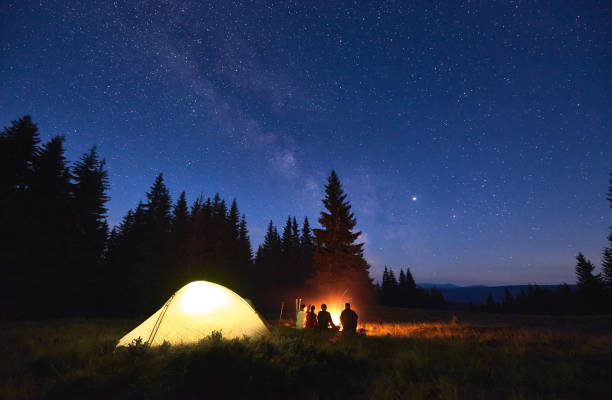
Find a spot with good drainage. Stay away from gullies, depressions, and soft soils where rainwater can collect. Choose a spot under a tree or on the leeward side of a boulder to protect from wind and rain.
8.Properly pitch the tent.
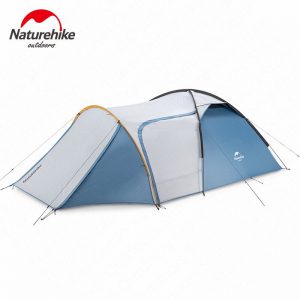
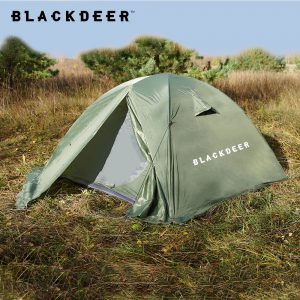
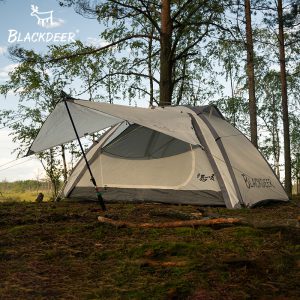
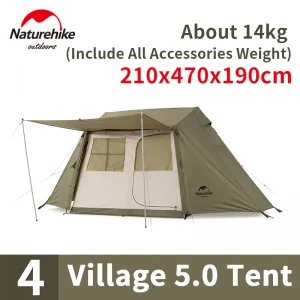
Set up your tent with the smallest side (usually the back of the tent) facing the wind so you’ll sleep better at night. Use wind ropes to tighten the outer tent so that the edge of the outer tent should exceed the bottom of the inner tent. Finally, if you’re pitching your tent on low ground, you can place a tarp under the outside of the tent to keep rain from seeping in from under the tent.