Since the outbreak of the epidemic, I have to say that the outdoor products market is developing rapidly. The sparsely populated country parks around the city are always overcrowded on weekends. Although I am not a veteran of camping, the several campings I have prepared for work reasons have also given me some thoughts on this activity to talk about. What do I need to prepare when I go out as a novice camper? Which equipment is necessary, and which equipment is not so necessary? Today I will tell you from the perspective of my personal experience!
1.Pack light and bring only what you need.
Carrying too much gear was my first mistake when camping in the wild. I figured it was because I was too scared, so I compensated for that fear by carrying more gear than necessary. This resulted in me not only carrying too much clothing but also too much food and non-essential gear. For example, that time I brought three different flashlights and spare batteries! This results in a bad camping experience. So hopefully you guys can learn from my mistakes!
2.It is best to prepare a warm sleeping equipment.
If you don’t have the right kind of sleeping bag, you won’t have a good night camping out in the wild, and it’s best to be prepared to have different sleeping bags for warm and cold weather. Here are my tips for staying warm and cozy at night:
– Bring warm leggings and socks.
– Buy lightweight sleeping bags, they add tons of warmth.
– On particularly cold nights, wear a down jacket in your sleeping bag.
– Put the raincoat on the foot area of the sleeping bag.
– Wear a beanie to sleep so you don’t wake up dizzy.
– Prepare emergency survival blankets. An emergency survival blanket is a wide blanket with good thermal or cold insulation properties. The advantages of being completely waterproof can be used in field activities and can be used as a tent cloth to prevent moisture and cold from contacting the body.
In short, it’s best to go camping during the warmer hours, otherwise, a cold backcountry camping night will be too bad!
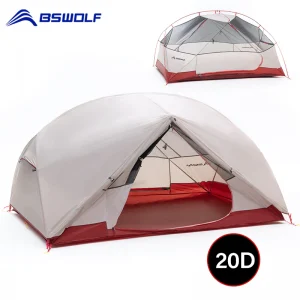
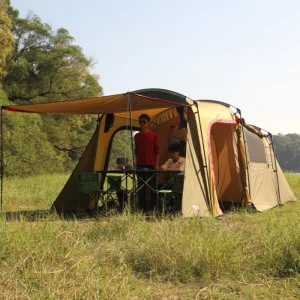
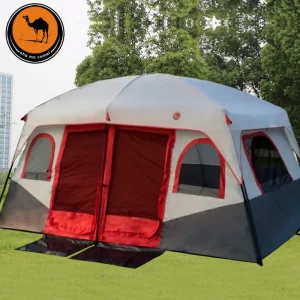
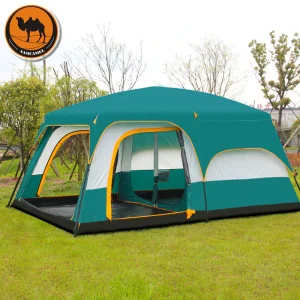
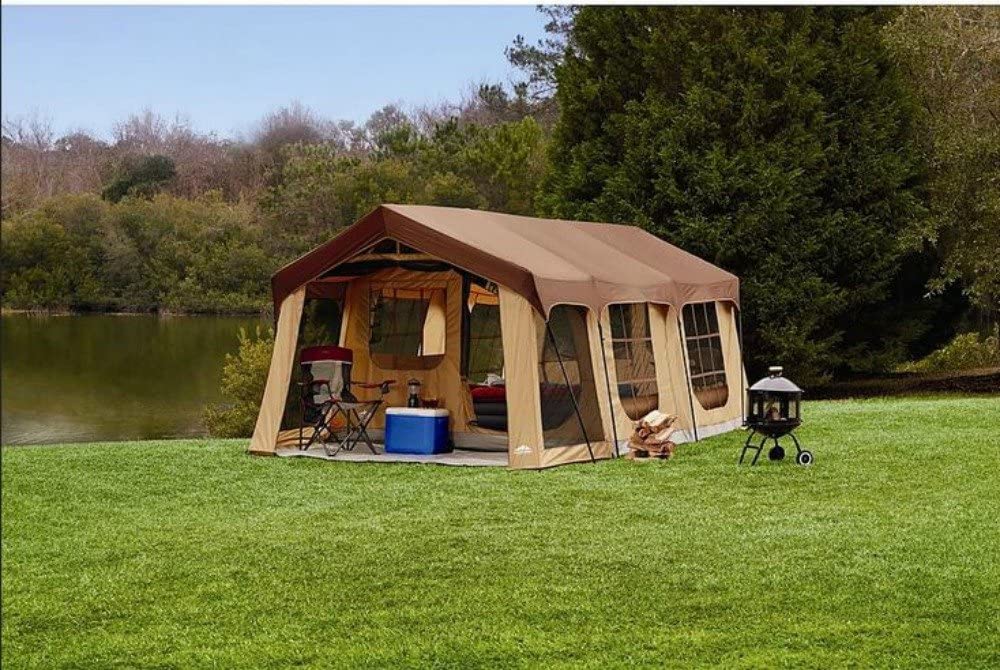
3.Choose a tent suitable for camping.
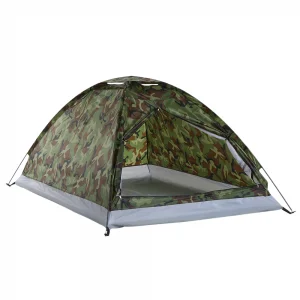
What else should you consider when choosing a tent? If you want to go unnoticed and avoid the risk of being asked to move, a green or brown tent is the safest, for obvious reasons.
4.Assemble it at home after the tent arrives.
A few years ago, I went wild camping for the first time. I bought one of my favorite tents for backcountry camping. However, I made the mistake of thinking this thing was very quick and easy to assemble the first time. It was dark and raining heavily. I spent an hour trying to figure out how to set up the tent properly, and the rest of the time trying to dry myself out and normalize my body temperature again. Generally speaking, tents are very easy to set up. However, each tent is designed differently and the one I bought required a different approach than my other tents.
5.Consider eating cold meal instead of cooking.
I desperately need a hot meal after a long hike, but usually, I’m too tired to cook. At this time, it is best to choose a cold meal in the morning or evening. In bad weather, cooking becomes one of the most unpleasant things.
6.Aim for wild camping spots far from urban areas.
I’ve found choosing forest areas to be especially reliable for backcountry camping. The forest is usually a peaceful camping spot, but it’s also a place you can’t see. In terms of location selection, it is generally easy to pick out forest areas using a map.
7.Choose a safe and comfortable location (near a water source).
Camping on lawns is a wonderful thing, much better than rocks or particularly hard ground. That being said, if it rains, these places in turn belong in ditches or depressions, and these can be flooded. Another point is to stay away from any dead trees or branches and avoid exposed areas during particularly inclement weather. The last thing I want to mention is the convenience of having a water source nearby. Not only does this mean you can use as much water as possible, but the water source also makes washing things easier. The forest is usually a peaceful camping spot, but it’s also a place you can’t see.
8.Wait until night falls before pitching your tent.
If you want to avoid moving on, it’s best to wait until night falls before pitching your tent. This is done so as not to think or worry about having to relocate.
9.Don’t underestimate the importance of headlights.
I used to camp in some places. Before these trips, I would often pick up a few headlights. Some of my friends also haven’t tried pitching a tent in the dark without a headlight.
10.Use reusable dry bags instead of plastic bags.
Try not to use plastic bags, dry bags are an ideal alternative. Use these bags to keep your gear completely safe from the bad elements. For example, backpacks can leak, and dry bags will ensure your spare gear is properly stored.